
September 17, 2026
High-temperature gas filtration is difficult because normal polymer bags and plastic cartridges can soften, burn, or lose strength. Asymmetric metal membrane filters solve this problem with a strong porous metal support and a fine surface layer. These sintered porous metal filters are designed for hot gas filtration, stable pressure control, and long service life. In many industrial systems, the filter can remove particles from 0.1 to 10 microns. A properly selected filter may achieve up to 99.99% dust removal, depending on particle size, gas speed, and operating conditions.


An asymmetric metal membrane filter has a layered pore structure. The top membrane layer has very small pores for particle capture. The support layer has larger pores that allow gas to pass with lower pressure loss. This design is different from a uniform porous metal filter, where the whole filter body has nearly the same pore size.
The fine layer captures dust near the gas inlet surface. The open support structure provides mechanical strength and fast gas flow. As a result, the filter can offer high filtration efficiency without using an extremely thick filter wall. This is useful in chemical plants, energy systems, metal processing, and gas purification equipment.
JINTAI can produce asymmetric filter elements in different grades of stainless steel and other sintered metals. The final material should match the gas temperature, chemical composition, moisture level, pressure, and cleaning method.
Industrial gas often leaves a reactor, furnace, dryer, gasifier, or kiln at a temperature above the safe limit of polymer filters. Cooling the gas before filtration may require a heat exchanger, water system, or extra fan power. It can also create condensation, corrosion, and sticky dust. A metal membrane filter allows filtration closer to the original process temperature.
The actual temperature limit depends on the metal grade, pressure, atmosphere, seal, and cleaning cycle. Many stainless steel filter elements operate in applications from 300 C to 600 C. Special metal alloys can be selected for higher temperatures, with some designs suitable for short or continuous operation near 800 C. The system engineer must confirm the complete temperature range before purchase.
Sintered metal has a strong three-dimensional structure. It can tolerate pressure changes better than many flexible filter media. It also handles repeated heating and cooling when the element is correctly designed. Slow temperature changes, correct wall thickness, and proper sealing help prevent thermal stress.
The surface membrane provides a controlled filtration point. It can remove fine catalyst dust, metal particles, ash, carbon powder, and process powder. A cleanable metal filter is often used when the gas must be recycled or when downstream equipment needs protection from solid particles.
| Customer problem | Common cause | How the metal membrane helps |
|---|---|---|
| Filter media burns or melts | Gas temperature is higher than 150 C to 260 C | Metal construction supports much higher operating temperatures |
| Frequent filter replacement | Abrasive dust, pressure pulses, or thermal cycling | Rigid sintered structure offers higher mechanical durability |
| High pressure drop | Dust cake is too thick or filter media is too dense | Asymmetric pores combine a fine surface with an open support |
| Dust leaks to downstream equipment | Media damage, poor sealing, or wrong pore rating | Controlled membrane pores and strong end connections reduce leakage risk |
| Wet or sticky dust blocks the filter | Gas cools below its dew point | Hot filtration can reduce condensation before particle capture |
No filter can correct an unsuitable process design. If dust becomes liquid, reacts with the metal, or forms a hard cake during cooling, the system may still block. The correct answer requires a review of gas chemistry, particle behavior, temperature, flow, and cleaning conditions.
Dirty gas enters the filter chamber and flows through the membrane and support layers. Particles larger than the effective pore opening remain on the surface. Clean gas moves through the open support and exits the element. As the dust layer grows, the pressure difference across the element increases.
This surface filtration method is important for fine dust. The collected cake can sometimes improve particle capture, but an excessive cake raises pressure drop. Cleaning should begin at a planned pressure range instead of waiting for a complete blockage.
316L stainless steel is often selected for general corrosion resistance and cleanable filtration. 304 stainless steel may suit less aggressive gases and lower-cost systems. Nickel-based alloys can be considered for higher temperature or stronger chemical exposure. The right choice depends on chlorides, sulfur compounds, hydrogen, oxygen, moisture, and other gases.
Common ratings for sintered porous metal filters include 0.1, 0.2, 0.5, 1, 2, 5, and 10 microns. A smaller nominal rating is not always better. It may reduce flow and increase pressure drop. Select the smallest rating that protects the downstream equipment and meets the required emission target.
| Specification | Typical selection range | Why it matters |
|---|---|---|
| Filtration rating | 0.1 to 10 microns | Controls particle removal performance |
| Operating temperature | 300 C to 800 C, depending on alloy and design | Determines metal grade, seal, and cleaning method |
| Gas velocity | Set by dust loading and pressure-drop limits | Affects filter area and service life |
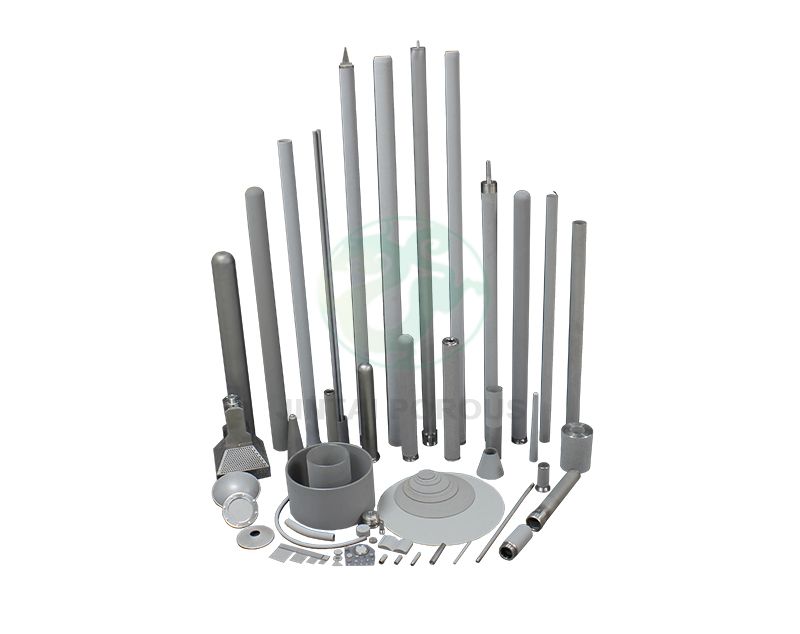
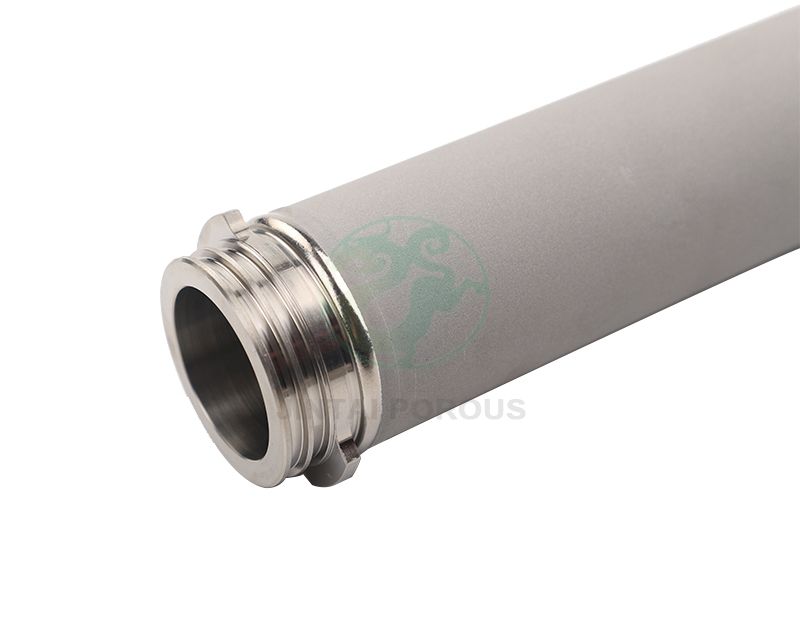
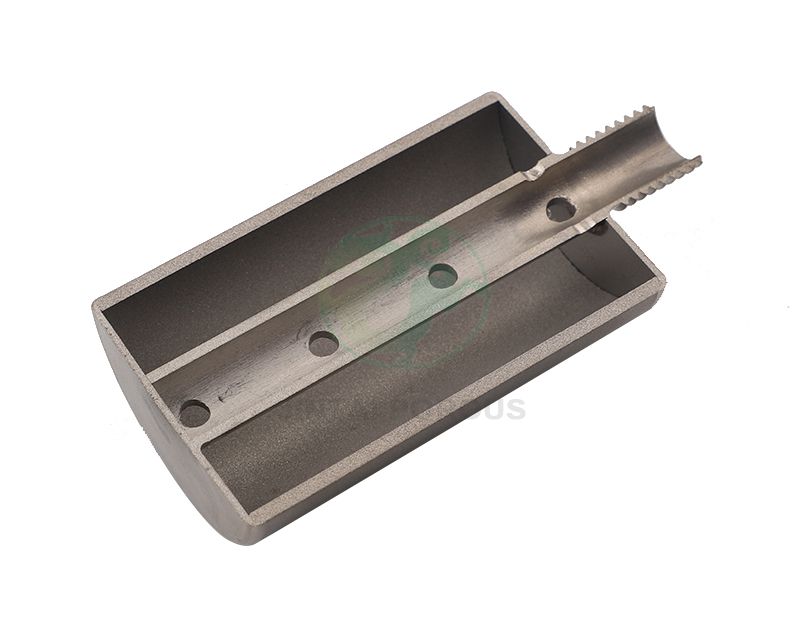
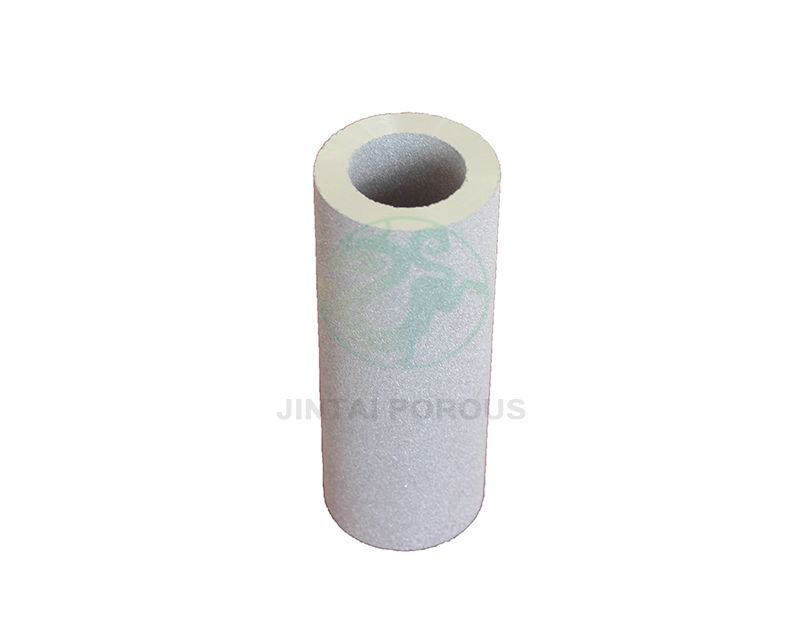
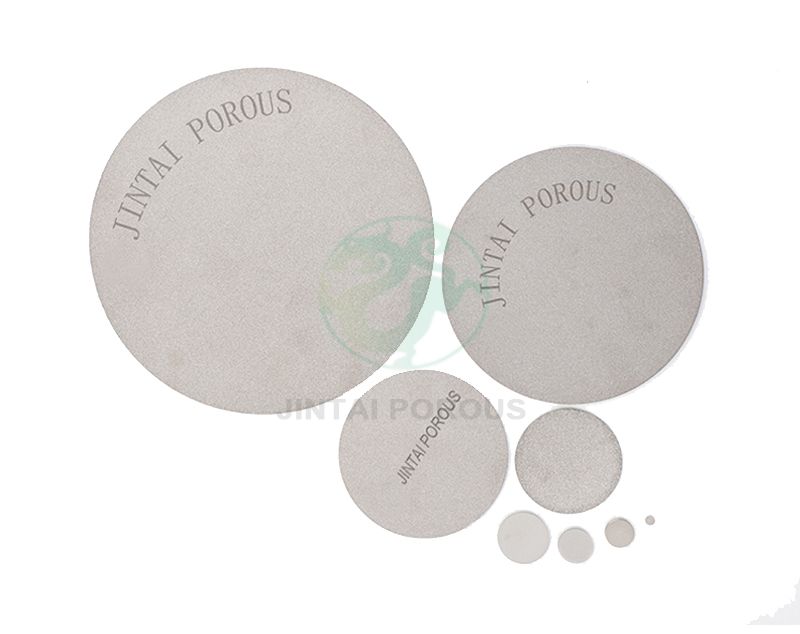
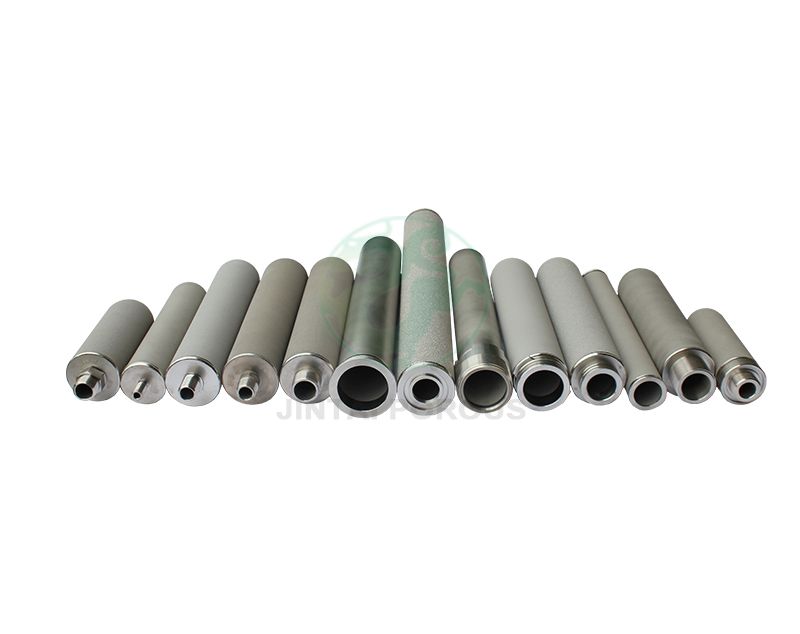
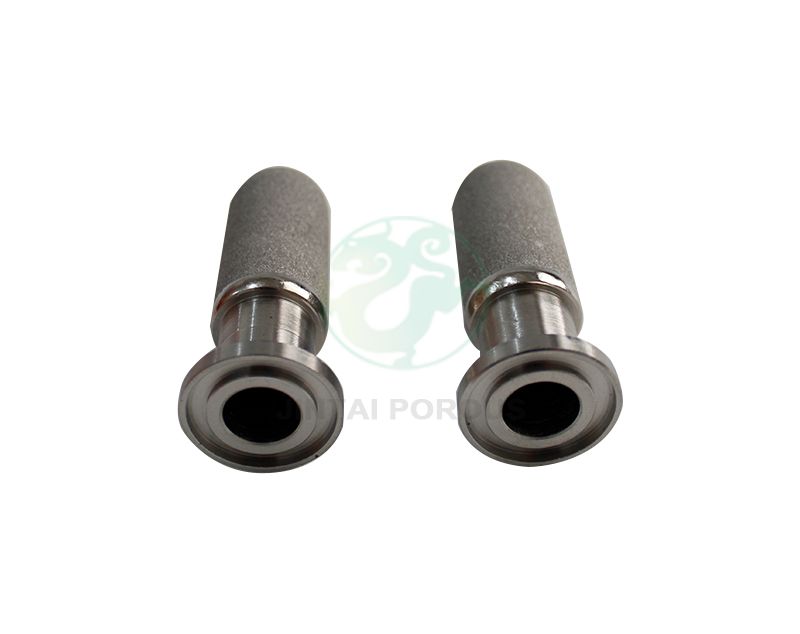
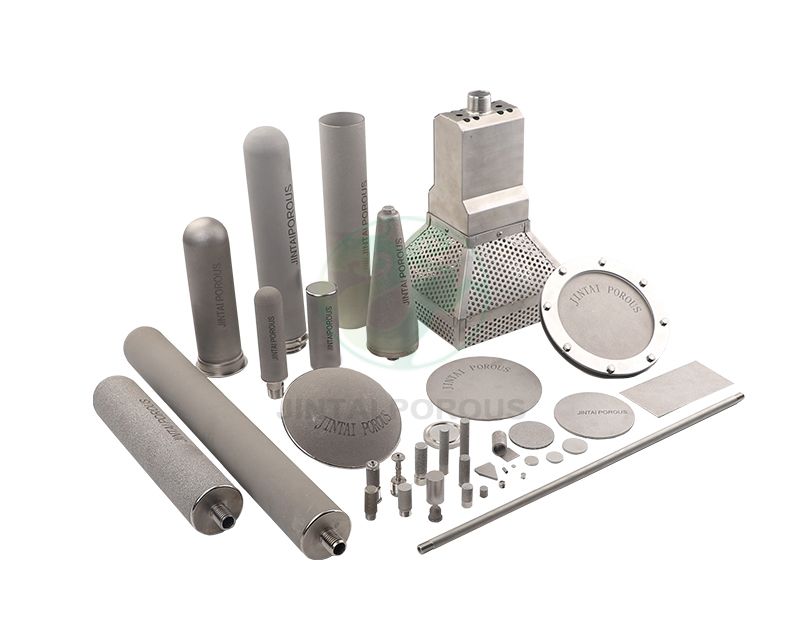
| Filter shape | Candle, tube, disc, or custom element | Must fit the vessel and cleaning system |
| Cleaning method | Reverse air, pulse gas, or backflow | Controls dust cake removal |
A professional quotation should include gas temperature, gas pressure, flow rate, dust concentration, particle size, chemical composition, required filter area, cleaning pressure, connection dimensions, and target service life. These details prevent an incorrect filter rating or an undersized system.
| Filter type | Temperature ability | Cleaning ability | Best use | Main limitation |
|---|---|---|---|---|
| Asymmetric metal membrane | High, often 300 C to 800 C by design | Good with reverse pulse or backflow | Hot gas, catalyst protection, fine dust | Higher purchase cost than simple fabric |
| Metal fiber media | High | Good | High flow and coarse-to-fine filtration | Pore structure may be less controlled |
| Ceramic filter | Very high | Possible with pulse cleaning | Very hot and chemically harsh gas | Can be brittle under impact or thermal shock |
| Polymer cartridge | Usually below 260 C | Depends on media | Cool, dry industrial gas | Limited temperature and chemical resistance |
| Bag filter | Usually below 300 C | Good with pulse cleaning | Large-volume lower-temperature dust removal | Needs cooling or heat control for hot gas |
The best filter is not always the one with the highest temperature rating. A lower-cost bag filter may be suitable after gas cooling. An asymmetric metal membrane filter becomes more valuable when cooling adds water, energy use, corrosion, or process complexity.
Hot gas filtration can protect compressors, valves, heat exchangers, and catalysts from solid particles. In catalytic processes, even a small amount of dust can reduce catalyst activity or damage moving equipment. Metal filter elements can be designed for continuous operation and automated cleaning.
Gasifiers and biomass systems may produce ash, char, and fine carbon particles. A high-temperature gas filter can remove these solids before the gas enters an engine, turbine, or reforming unit. The filter material must be checked against reducing gas, sulfur, steam, and thermal cycling.
Furnaces, kilns, and powder production lines often release abrasive dust at high temperature. Sintered porous metal filters can help recover valuable powder and reduce dust exposure. A surface finish that supports dust release is useful when the powder forms a compact cake.
Some drying and sterilization systems need clean hot air or gas. Stainless steel filter elements can support repeated cleaning and controlled filtration. The design must meet the required hygiene, surface finish, sealing, and material documentation standards.
JINTAI supports custom sintered porous asymmetric filter elements for overseas equipment makers, distributors, and process plants. A sample drawing, process data sheet, or used filter can help the engineering team recommend a practical design.
Keep the gas above its dew point when moisture or condensable vapor is present. Condensation may create a sticky cake that normal pulse cleaning cannot remove. Start the filter system gradually so the element and housing heat at a similar rate.
Use clean and dry pulse gas. Check the pulse pressure, pulse duration, valve response, and cleaning frequency. A pulse that is too weak leaves dust on the surface. A pulse that is too strong may waste energy or stress the element and its welds.
Record differential pressure, outlet dust concentration, gas temperature, and cleaning cycles. A rapid pressure increase may indicate wet dust, a blocked element, poor cleaning, or an incorrect filter area. A rise in outlet dust may indicate damage, seal failure, or installation error.
| Inspection time | Check point |
|---|---|
| Every shift | Temperature, pressure drop, flow, and dust discharge |
| Every week | Pulse cleaning pressure, valves, gauges, and unusual vibration |
| During shutdown | Surface damage, cracks, blocked pores, seals, and mounting parts |
| After replacement | Element dimensions, installation torque, leakage, and initial pressure drop |
Asymmetric metal membrane filters are a strong option when a process needs fine particle removal at high temperature. Their main advantages are a controlled surface membrane, an open support layer, cleanable construction, and resistance to mechanical and thermal stress. Depending on the metal, design, and operating conditions, they can support gas filtration from 0.1 to 10 microns and temperatures up to about 800 C.
Before ordering, do not select a filter by pore size alone. Confirm gas chemistry, dust behavior, temperature, flow, pressure, cleaning method, and connection design. With the correct specification, JINTAI sintered porous asymmetric filter elements can help protect catalysts and equipment, reduce cooling needs, and maintain stable hot gas filtration performance.