Sintered Metal Spargers for Gas-Liquid Processes: What Buyers Should Know
August 31, 2026
Share:
Efficient gas dispersion is critical in many chemical, pharmaceutical, water treatment, food processing and bioreactor systems. If gas enters a liquid through only a few large openings, bubble size can be uneven, gas utilization may be poor and mixing efficiency can vary across the tank. A sintered metal sparger provides a different approach by distributing gas through thousands of controlled pores across the porous surface.
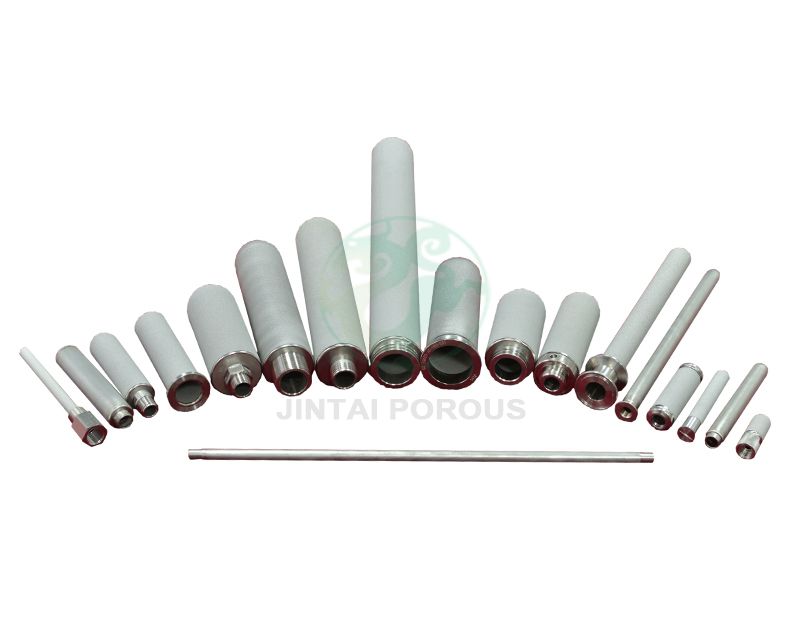
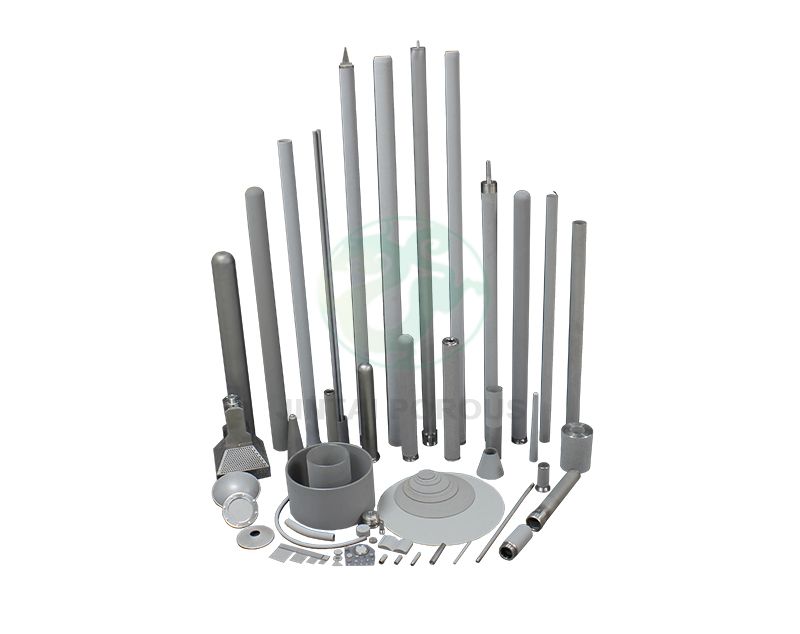
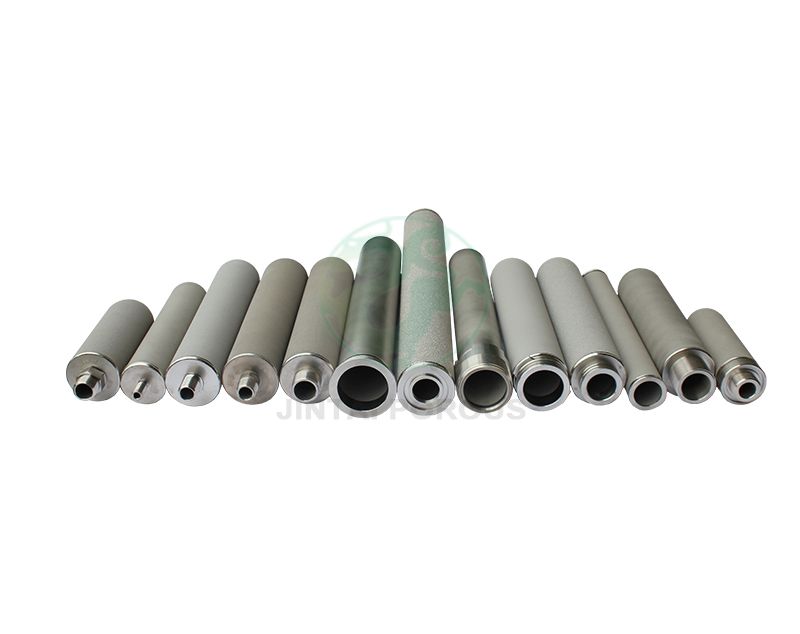
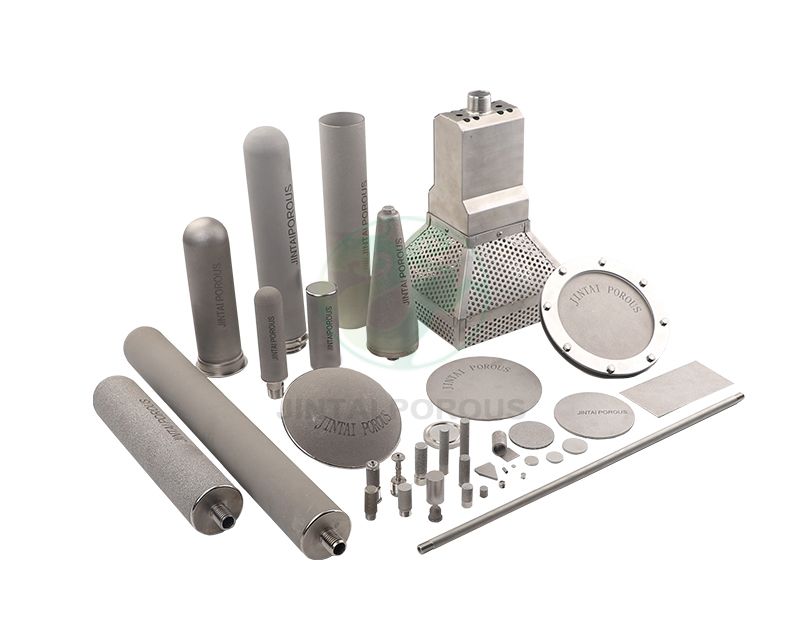
Jintai manufactures porous sintered metal spargers in multiple shapes and configurations for applications requiring fine and uniform gas dispersion. Its product range includes tube, disc, ring, spherical crown and anti-blocking spargers, with customized materials, dimensions and connections available according to process requirements.
How Does a Sintered Metal Sparger Work?
A conventional drilled pipe releases gas through a relatively limited number of holes. A porous metal sparger instead contains a large number of microscopic interconnected pores.
When compressed gas passes through the porous structure, it exits through many small openings and forms a larger number of relatively fine bubbles. This increases the available gas-liquid contact area and can improve mass transfer compared with systems that produce fewer large bubbles.
This principle makes porous spargers useful in processes involving:
Aeration
Gas-liquid reactions
Fermentation
Carbonation
Oxidation
Nitrogen or inert-gas introduction
Wastewater treatment
Bioreactor gas distribution
Chemical processing
The goal is not simply to create bubbles, but to distribute the required gas more consistently across the working area.
Tube, Disc or Ring Sparger: Which Structure Fits the Process?
The correct sparger geometry depends largely on the tank layout and required gas distribution area.
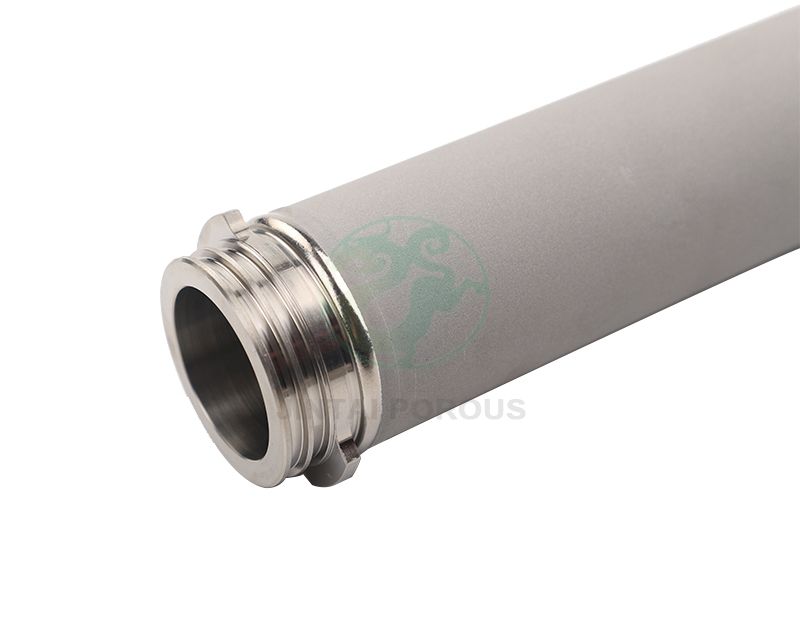
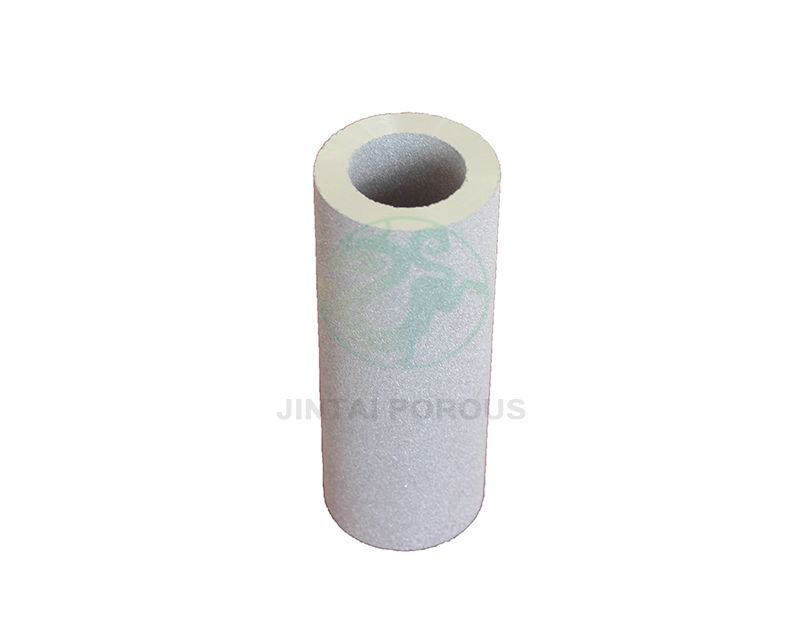
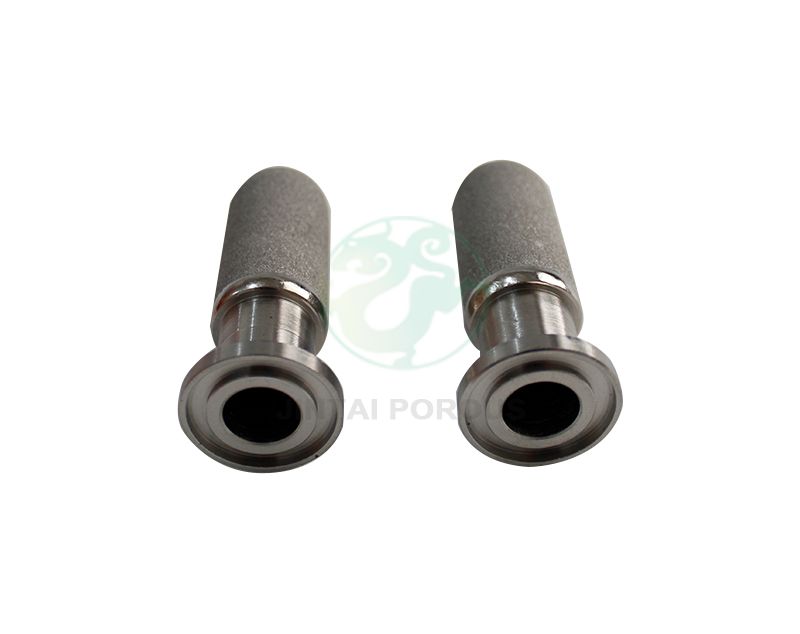
Tube-shaped spargers are practical where gas needs to be introduced along a defined line or where compact elements must be installed through a vessel wall.
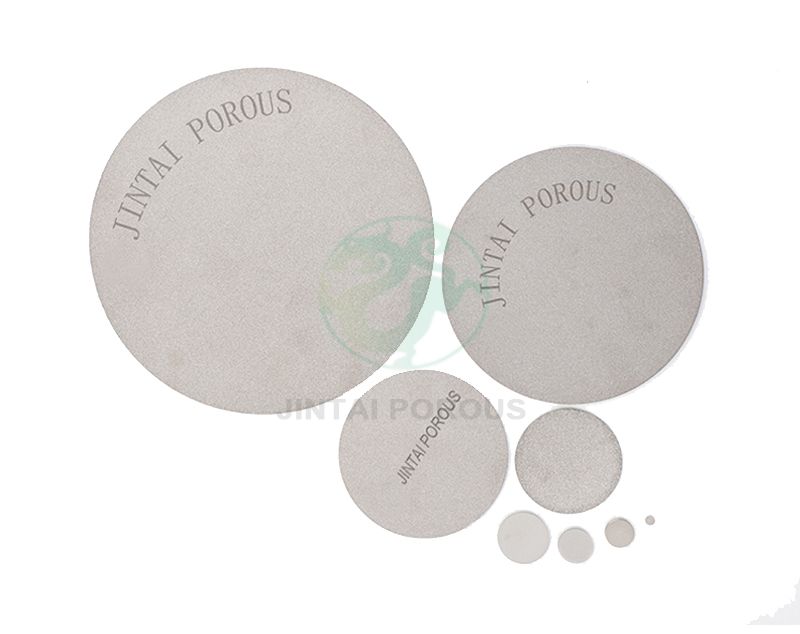
Disc-shaped spargers distribute gas across a broader circular surface and can be installed near the bottom of a tank or reactor.
Ring spargers provide gas distribution around a larger circumference and may be useful where a wider operating area needs to be covered.
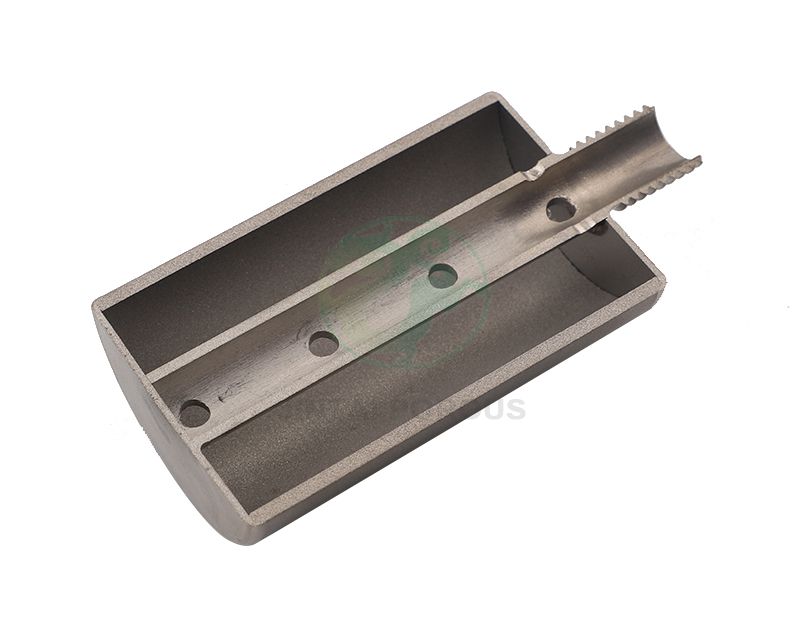
Jintai also offers spherical crown and anti-blocking configurations. The final design can be adapted rather than forcing every process to use one standard sparger geometry.
Material Selection Matters
The porous media must remain compatible with both the gas and liquid involved in the process.
Jintai's porous metal manufacturing capabilities include materials such as:
Titanium
304L and 316L stainless steel
310S, 321 and 904L stainless steel
Hastelloy C22 and C276
Inconel 600
Monel 400
Nickel
Other customized alloys
These material options allow spargers and porous components to be matched to different corrosion, temperature and chemical environments.
Stainless steel may be suitable for many general industrial systems, while titanium or nickel-based alloys may be evaluated for more aggressive media. Material selection should always be based on actual process chemistry rather than industry name alone.
What Determines Bubble Performance?
Buyers sometimes focus only on pore size, but sparger performance depends on several connected parameters.
Jintai identifies factors such as gas flow, liquid pressure, operating temperature, compressor capacity and gas exit velocity when determining the appropriate sparger configuration.
Other practical considerations include:
Liquid viscosity
Tank depth
Sparger installation position
Required gas distribution area
Target gas transfer rate
Fouling tendency
Cleaning frequency
Available inlet pressure
A very fine porous medium is not automatically the best choice. Smaller openings can require higher gas pressure, while an oversized sparger may not operate uniformly if the available gas flow is insufficient.
Why Use Porous Metal Instead of a Drilled Pipe?
For suitable applications, sintered porous metal provides several engineering advantages.
The porous structure offers a much larger number of gas outlets than conventional drilled tubing. This supports finer bubble generation and a more distributed gas release pattern. Jintai also highlights the temperature resistance, corrosion resistance and mechanical durability of its sintered metal spargers.
Porous metal components can also be manufactured with controlled pore structures and can be welded or machined when required. Jintai's broader sintered metal range is designed for demanding filtration, separation and gas-handling environments and can be customized in material, dimensions and connections.
For industrial buyers, these characteristics are especially relevant when the sparger is expected to operate repeatedly rather than function as a disposable component.
Applications in Different Industries
In chemical processing, gas spargers can be used where a reaction requires controlled introduction of air, oxygen, nitrogen or another process gas.
In water and wastewater treatment, porous elements can support aeration and other gas-liquid treatment processes.
In biomedical and fermentation systems, controlled gas distribution can help maintain process conditions inside vessels or bioreactors.
In the food and beverage industry, Jintai identifies applications including carbonation and oxidation processes.
The company also serves microelectronics, petrochemical and other industries where porous metal products are used for filtration, purification and gas distribution.
What Information Should You Send to a Sparger Manufacturer?
To specify a custom sintered metal sparger, buyers should provide operating information rather than only requesting a particular diameter.
Useful data includes:
Gas type
Required gas flow rate
Liquid composition
Operating pressure
Operating temperature
Tank dimensions and liquid depth
Preferred sparger shape
Installation position
Connection requirement
Preferred material
Required quantity
These parameters allow the manufacturer to evaluate sparger size, porous grade, material and configuration as a complete system.
Custom Sintered Metal Spargers from Jintai
Jintai has manufactured porous metal filtration and gas-distribution products since 1994. In addition to sintered metal spargers, its portfolio includes porous filter elements, asymmetric membrane filters and other customized porous metal components for filtration, separation, purification and aeration applications.
For engineers and equipment manufacturers sourcing a sintered metal sparger, the best design should be based on the required gas flow, operating pressure, liquid characteristics, material compatibility and installation geometry. Matching these parameters correctly is more important than selecting a standard sparger only by size.