
October 07, 2026
JINTAI helps process engineers prevent sparger clogging by combining correct pore selection, clean gas supply, controlled operating conditions, and a practical maintenance schedule. In this guide, I explain How to Prevent Sparger Clogging in Industrial Processes step by step, so you can improve gas dispersion, reduce unplanned downtime, extend sparger service life, and keep production stable with a simple, measurable procedure.
Spargers distribute gas through fine pores into liquids, slurries, fermentation media, chemical solutions, and wastewater. When the pores become blocked, gas flow decreases and the pressure drop across the sparger increases.
The most common causes include:
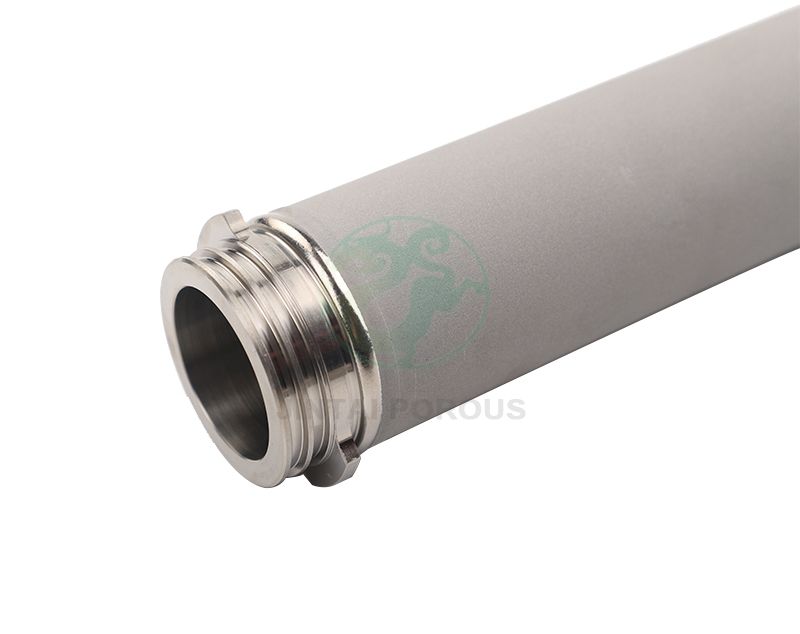
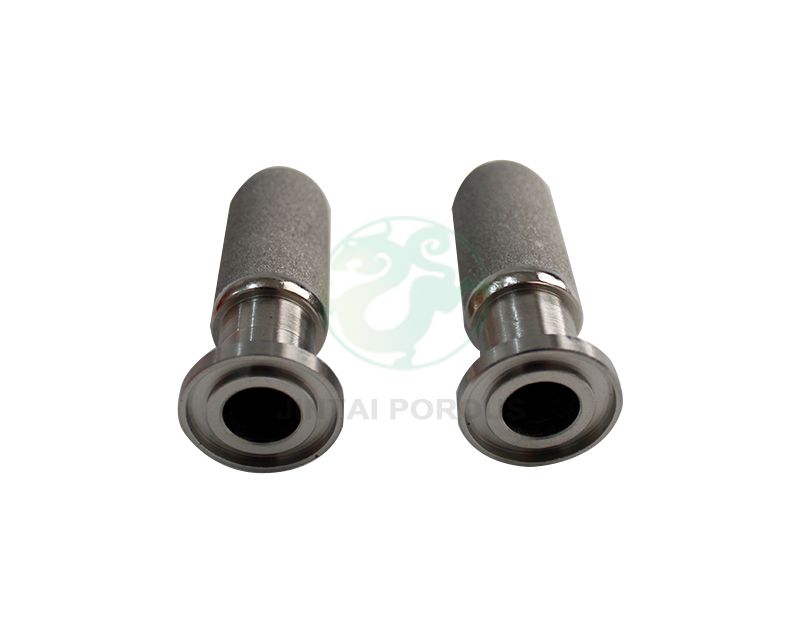
JINTAI Sintered Porous Metal Spargers are designed for controlled gas distribution, but even high-quality porous metal components require correct operating conditions. Preventing clogging is therefore not only a component-selection issue; it is a complete process-control task.
Before changing the sparger, we first determine what is blocking the pores. Different contaminants require different solutions.
| Fouling type | Typical indication | Recommended response |
|---|---|---|
| Particulate solids | Gradually increasing pressure drop | Improve upstream filtration and backflush |
| Crystallized salts | Hard deposits after evaporation or cooling | Use a compatible solvent or controlled acid cleaning |
| Biofilm | Slimy deposits, odor, reduced gas transfer | Apply validated CIP or sanitization |
| Oil or grease | Hydrophobic contamination and unstable bubbling | Install coalescing filtration and degrease |
| Polymer or resin | Sticky deposits and rapid blockage | Review temperature, solvent, and resin concentration |
| Metal oxide scale | Brown, black, or reddish deposits | Use a chemically compatible descaling procedure |
We recommend recording the initial clean pressure drop, gas flow rate, liquid temperature, and operating pressure. A rise of approximately 15–20% above the clean baseline should trigger an inspection or cleaning review, although the final alarm value must be validated for each process.
The pore rating must match the gas flow, liquid viscosity, solids loading, and required bubble size. A pore structure that is too fine may provide excellent gas dispersion but become vulnerable to plugging. A pore structure that is too coarse may reduce mass-transfer efficiency.
When selecting JINTAI Sintered Porous Metal Spargers, I recommend reviewing:
For high-solids applications, a slightly coarser pore structure may be more reliable than an ultra-fine sparger. For sterile fermentation or high-purity gas dispersion, finer pores may be appropriate when upstream filtration and cleaning are properly controlled.
The specification should also define dimensional tolerances. For precision assemblies, machining or fitting tolerances can be controlled to 0.01 mm, where required by the equipment design. However, dimensional accuracy alone does not prevent clogging; permeability uniformity and cleanability are equally important.
The most effective way to prevent sparger clogging is to stop contaminants before they reach the porous element.
A typical gas-side protection train may include:
For liquid-side protection, use a strainer or cartridge filter selected according to the process solids concentration. The filter should not be so fine that it creates excessive pressure loss or requires constant replacement.
I suggest establishing a written filter maintenance limit based on differential pressure. For example, a filter can be inspected when the pressure drop reaches the manufacturer’s recommended threshold or rises materially above the clean value. This protects both the gas supply and the JINTAI sparger.
Compressed gas quality strongly affects sparger performance. Moisture, oil, and particles can combine to create a dense deposit inside the pore network.
Important controls include:
For compressed air systems, organizations often use ISO 8573 classifications to define particle, water, and oil quality. The required class should be selected according to the application, particularly in pharmaceutical, food, biotechnology, and high-purity chemical processes.
Stable operation is essential. Repeatedly opening and closing a gas valve at high differential pressure can force liquid or solids into the porous structure. A gradual ramp-up and ramp-down sequence is usually safer for both the sparger and the process.
Incorrect installation can create dead zones, sediment accumulation, and uneven gas distribution.
During installation, we should verify:
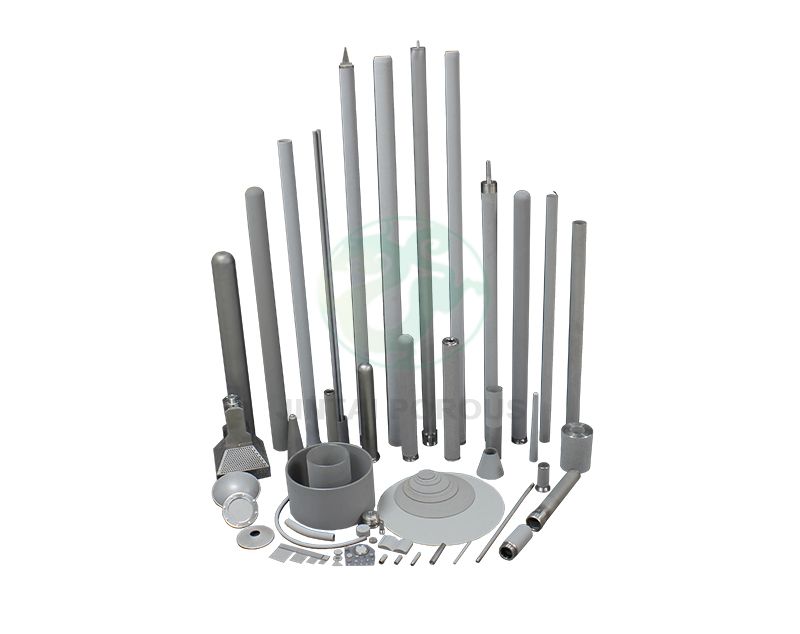
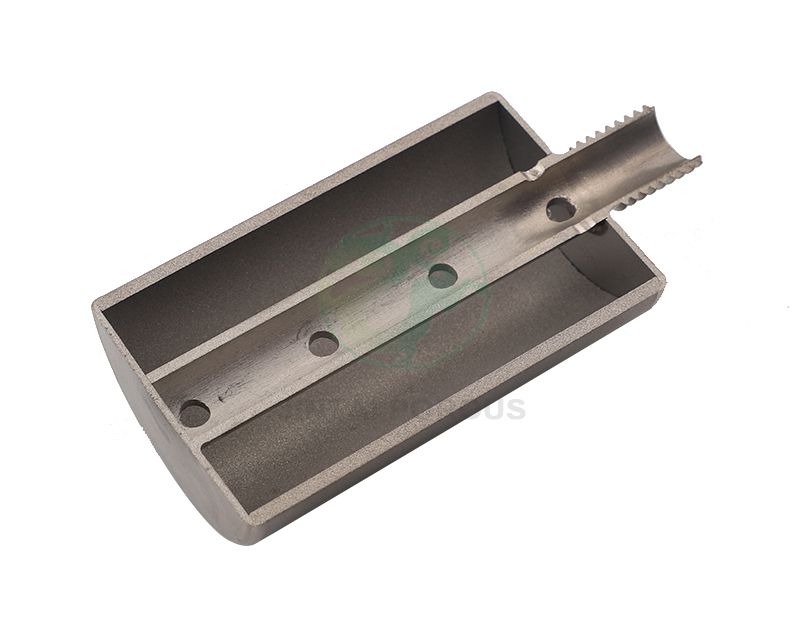
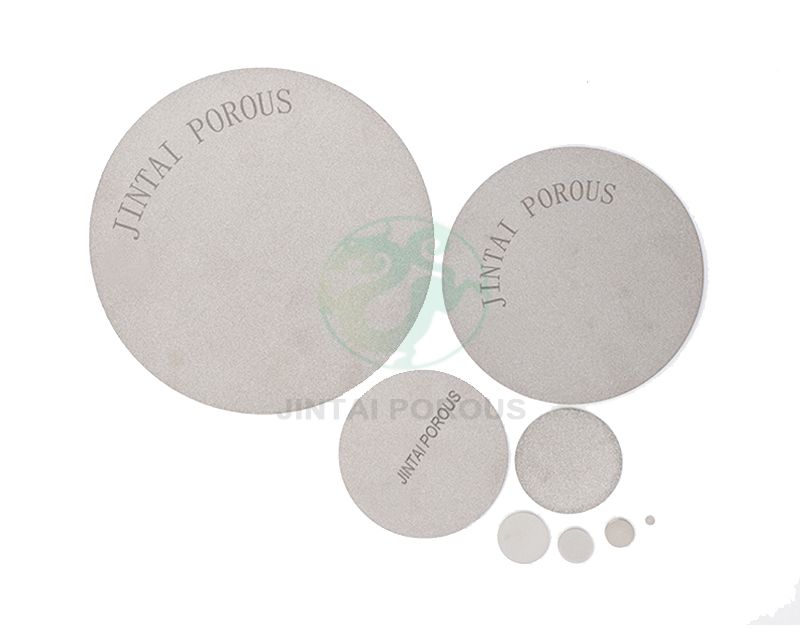
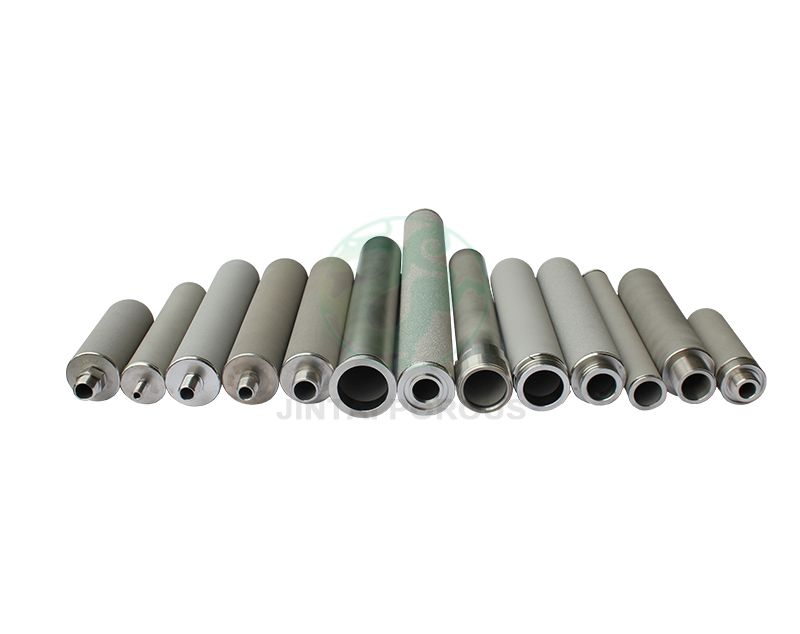
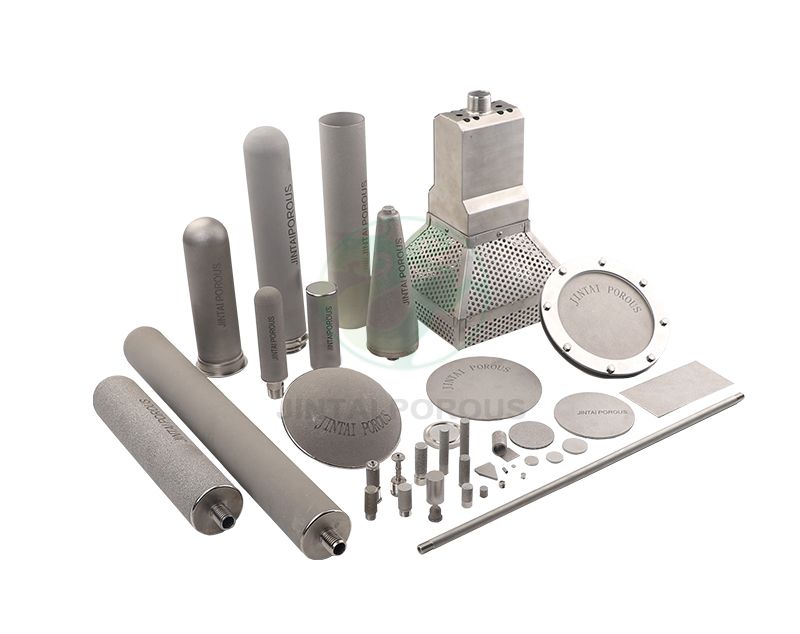
JINTAI can manufacture porous metal spargers in different shapes, including tubes, plates, disks, and custom assemblies. The best geometry depends on the vessel dimensions, mixing pattern, gas rate, and cleaning access.
A poorly positioned sparger may appear to be “clogged” when the actual problem is solids settling around the gas outlet. Reviewing the vessel hydrodynamics can prevent unnecessary replacement.
Cleaning should be based on process data rather than an arbitrary calendar alone. We can monitor the following indicators:
A general cleaning sequence may include:
For sintered stainless steel, the cleaning chemical must be compatible with the alloy and the process residue. Strong acids, chlorides, caustics, and oxidizing agents can cause corrosion or stress damage if used incorrectly.
Do not use aggressive mechanical scraping, uncontrolled ultrasonic treatment, or high-pressure blasting unless the sparger manufacturer has approved the method. These actions may alter the pore structure or damage the support body.
A cleaned sparger should not be returned to production without verification. At minimum, I recommend comparing the post-cleaning results with the original clean baseline.
Useful verification methods include:
ASTM F316 is commonly used for bubble-point and mean-flow-pore testing of porous materials. Depending on the application, permeability testing and dimensional inspection may also be included in the purchasing specification.
For quality-critical orders, a practical inspection plan can include:
The exact test method and acceptance criteria should be agreed before production. Testing should reflect the real operating requirement rather than relying only on a nominal pore-size label.
A structured maintenance schedule makes How to Prevent Sparger Clogging in Industrial Processes easier to implement across multiple production lines.
| Frequency | Recommended action |
|---|---|
| Every shift or batch | Check gas flow, pressure, temperature, and abnormal bubbling |
| Weekly | Inspect filter differential pressure and condensate drains |
| Monthly | Review flow trends and compare with the clean baseline |
| Every 1–3 months | Inspect cleaning performance and backflush effectiveness |
| During shutdown | Drain, rinse, dry, and protect the gas line from contamination |
| Annually or according to risk | Remove and inspect the sparger, verify permeability, and review replacement criteria |
The schedule should be adjusted according to solids concentration, operating hours, sterilization requirements, and the cost of downtime.
This usually indicates that cleaning is treating the symptom rather than the source. Check:
If the deposit returns quickly, collect a residue sample and identify its chemical composition before selecting a stronger cleaning agent.
Low flow may result from a restricted regulator, blocked tubing, undersized valves, inaccurate flow instrumentation, or excessive liquid pressure. Test the gas line independently from the sparger to isolate the restriction.
Chemical concentration, temperature, contact time, and chloride exposure should be reviewed. Use a written cleaning validation procedure and confirm material compatibility before changing chemicals.
Uneven bubbles may result from partial blockage, poor sparger leveling, damaged porous media, gas maldistribution, or vessel mixing problems. Compare several points along the sparger rather than relying on one visual observation.
The following tools help create a reliable sparger maintenance program:
For urgent production issues, a supplier response target of 24 hours can help reduce downtime, but the service level should be confirmed in the purchase or maintenance agreement. Keeping one validated spare assembly on site is often more economical than waiting for an emergency replacement.
When a sparger begins to clog, we can follow this sequence:
This process prevents premature replacement and provides useful data for future equipment selection.
JINTAI Sintered Porous Metal Spargers can be specified for controlled gas distribution, customized geometries, and demanding industrial environments. When we combine the sparger with correct filtration, stable gas control, validated cleaning, and routine inspection, we can address the main causes of pore blockage instead of repeatedly reacting to reduced flow.
A professional specification should clearly define:
The key lesson in How to Prevent Sparger Clogging in Industrial Processes is that no single action is sufficient. Proper pore selection, contamination control, installation, monitoring, and cleaning must work together.
To apply How to Prevent Sparger Clogging in Industrial Processes immediately, start by recording the clean pressure drop and gas flow of every sparger. Then inspect the filtration system, identify the actual fouling material, verify the pore specification, and establish a documented cleaning trigger.
With JINTAI Sintered Porous Metal Spargers, a controlled maintenance program can help reduce gas-flow instability, protect mass-transfer performance, extend component life, and limit costly production interruptions. By using measurable limits, appropriate ASTM or ISO-based testing, and documented inspection—including 100% visual checks and precision measurements down to 0.01 mm where required—we can make sparger performance more predictable and industrial operations more efficient.