
October 08, 2026

Porous metal membrane filtration for pharmaceutical processing helps remove particles, microorganisms, and process contaminants from critical fluids. Pharmaceutical sterile filtration must protect product quality while keeping flow rates stable during long production cycles. Conventional polymer filters can face swelling, deformation, extractables, or limited resistance to high temperatures.
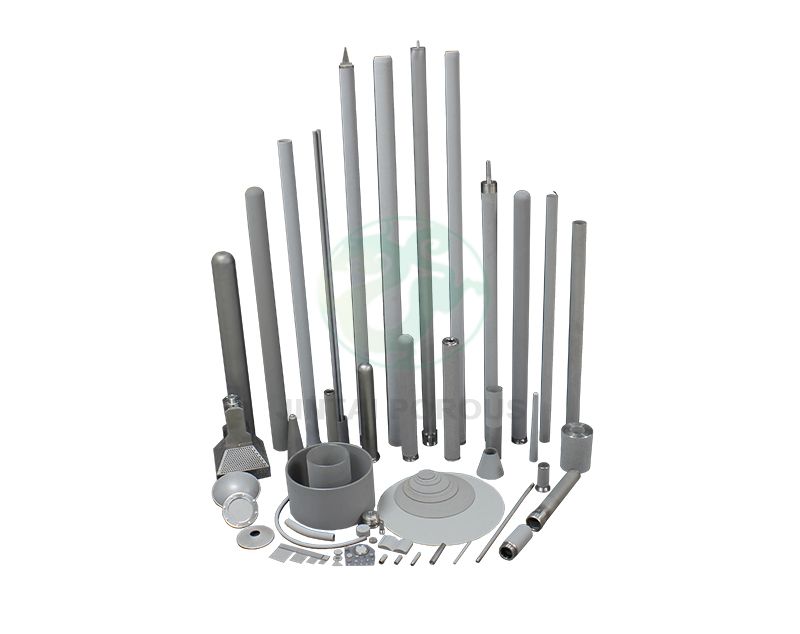
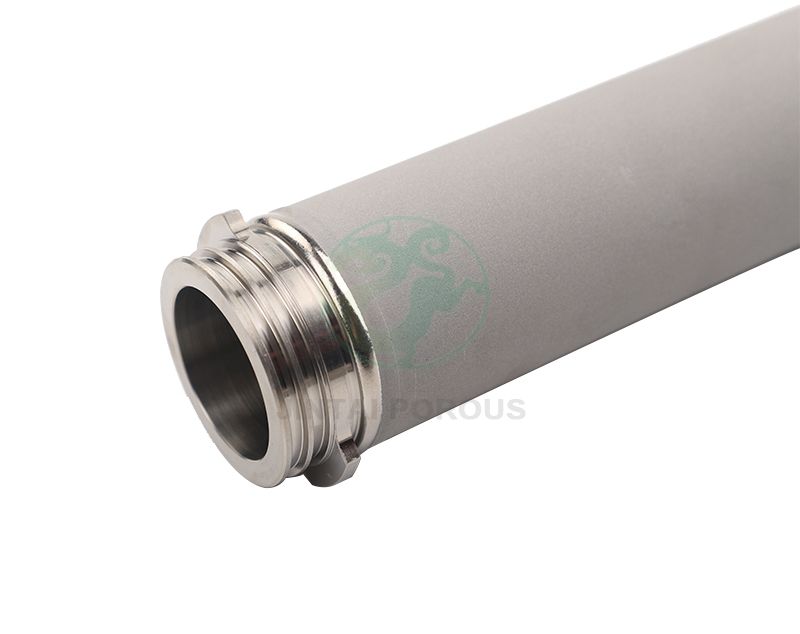
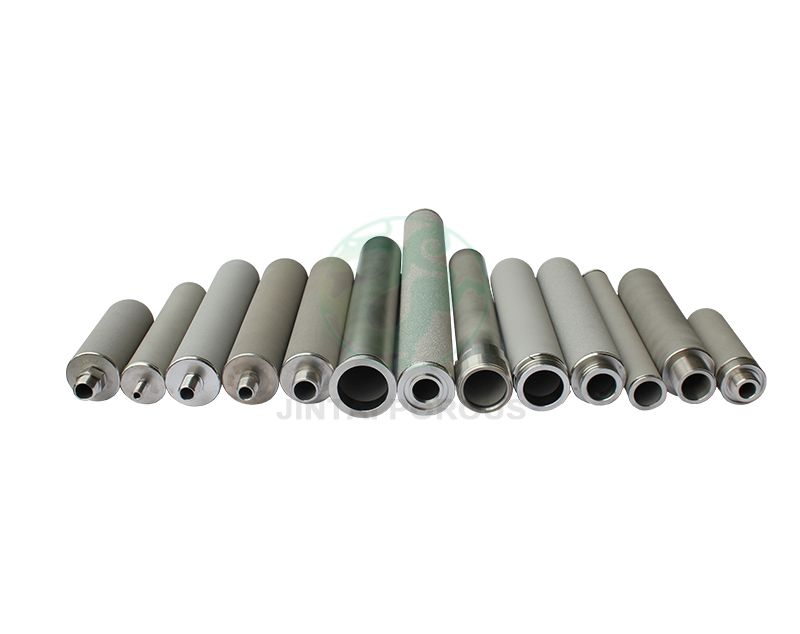
A Sintered Porous Asymmetric Filter Element uses a graded pore structure to improve particle retention and flow control. The filter can be made from stainless steel, titanium, nickel alloy, or other process-compatible metals. It is also used in biopharmaceutical fluid filtration where cleanability and repeatable performance are important.
The main challenge is to balance filtration accuracy, pressure drop, service life, and cleaning requirements. A filter with very small pores may provide high retention but may also increase differential pressure. A graded structure helps place finer pores near the filtration surface and larger pores in the support zone.
Manufacturers also need GMP compliant manufacturing, documented material traceability, and validated cleaning procedures. JINTAI produces sintered porous filter elements for gas, liquid, and powder process applications. Typical designs are developed around the fluid, temperature, pressure, pore size, and required validation method.
For this reason, many plants are reviewing high temperature metal membrane filtration as an alternative to disposable or single-use filter cartridges. The key question is simple: Can an asymmetric metal filter provide reliable retention without creating a difficult cleaning or validation burden?
A sintered porous asymmetric filter element can improve pharmaceutical filtration by combining a fine filtration layer with a stronger, more open support structure. This design can provide controlled particle retention, lower pressure loss than a uniform fine-pore metal medium, and resistance to repeated cleaning and sterilization. For sterile pharmaceutical use, the filter must still pass application-specific validation, including bacterial retention, integrity testing, extractables assessment, cleanability testing, and compatibility review under the applicable GMP quality system.
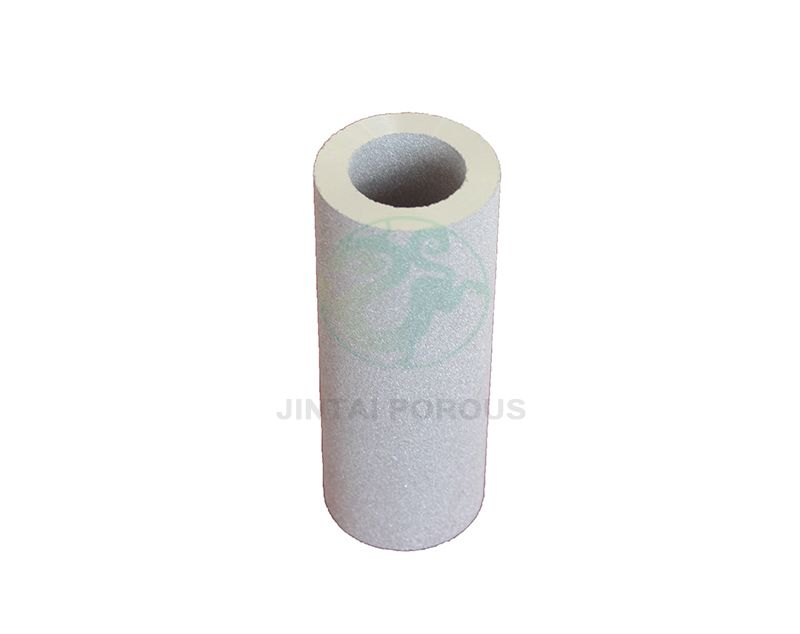
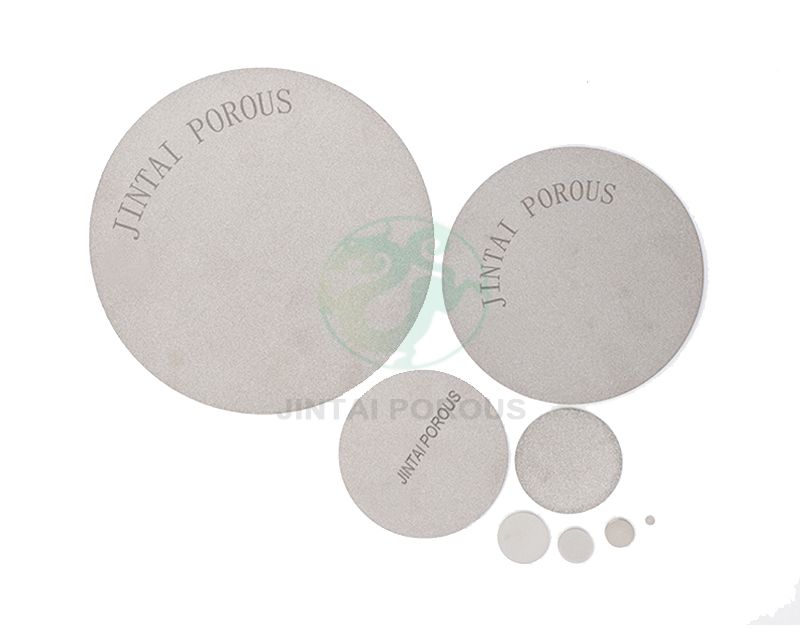
A sintered porous asymmetric filter element is a metal filter made by compacting and heating metal powder or metal fiber material. The heating process bonds the particles without melting the entire structure. This creates a network of connected pores.
The word "asymmetric" describes a pore structure that changes through the thickness of the element. The filtration side has smaller pores. The support side has larger pores. This arrangement can improve the relationship between filtration accuracy and flow capacity.
| Parameter | Typical design range | Why it matters |
|---|---|---|
| Nominal pore size | 0.1 to 20 micrometers | Controls particle retention and flow resistance |
| Porosity | 30 to 45 percent | Influences permeability and dirt-holding capacity |
| Filtration area | 0.01 to more than 1.0 square meter per element | Determines the required number of elements |
| Operating temperature | Based on alloy, gasket, and process design; often 150 to 500 degrees Celsius for metal-only systems | Supports hot gas, steam, and heated liquid applications |
| Operating pressure | Commonly 0.1 to 2.0 MPa differential pressure design range | Defines mechanical safety and process limits |
| Surface finish | Often specified from Ra 0.4 to Ra 1.6 micrometers for sanitary assemblies | Supports cleanability and reduces product hold-up |
These ranges are examples for design discussion. The final values must be confirmed by application testing, material selection, and the filter supplier's technical drawing.
Metal media can tolerate temperatures and pressures that may deform some polymeric filter materials. Stainless steel 316L is widely considered for pharmaceutical equipment because it offers corrosion resistance and can be fabricated into sanitary components. Hastelloy and titanium may be selected for more aggressive chemical environments.
In a hot gas or steam process, the filter design must consider thermal expansion, weld quality, gasket limits, and pressure cycling. A metal element alone may tolerate high temperature, but the complete assembly may have a lower limit because of seals or housing components.
Reusable metal filters can be designed for cleaning-in-place, steam-in-place, backwashing, ultrasonic cleaning, or controlled chemical cleaning. A production trial should record the number of cycles, cleaning temperature, chemical concentration, exposure time, and final integrity result.
For example, a qualification plan may include 50, 100, or 200 cleaning cycles. After each selected cycle point, the filter can be checked for pressure drop, bubble point, visual damage, and flow performance. The exact cycle count must match the process risk assessment.
Sintered metal elements do not rely on loose fibers for filtration. Proper sintering, surface treatment, and post-cleaning reduce the risk of media release. Pharmaceutical users should still perform particle testing on the first batches and after defined cleaning intervals.
| Filter type | Main material | Strength | Limitation | Typical use |
|---|---|---|---|---|
| Sintered porous asymmetric metal filter | 316L stainless steel, titanium, nickel alloy | Strong, reusable, heat resistant | Higher initial cost and needs validated cleaning | Process gases, high-temperature liquids, reusable pharmaceutical systems |
| Polymeric membrane filter | PTFE, PES, PVDF, nylon | Wide chemical selection and easy replacement | May have limits in heat, pressure, extractables, or repeated use | Single-use and final sterile filtration |
| Depth filter | Cellulose, glass fiber, polymer fiber | High dirt-holding capacity | May release fibers or require disposable media | Pre-filtration and clarification |
| Sintered metal powder filter with uniform pores | Stainless steel or bronze | Simple structure and good strength | Uniform fine pores can create higher pressure loss | General industrial filtration |
An asymmetric element is not automatically better for every application. A disposable polymeric membrane may be more practical for a small batch. A metal element is often more suitable when the process requires heat resistance, mechanical strength, or repeated use.
The asymmetric structure helps reduce the chance that the entire element behaves like one dense layer. The open support region gives the fluid more space to move. This can lower pressure loss compared with a uniform metal membrane designed with the same fine surface rating.
Pore size should be selected from measured retention data, not from a nominal number alone. A 0.2 micrometer filter used for sterile filtration requires validation under the real product and process conditions. The filter must show suitable bacterial retention and maintain integrity before and after use.
For particle removal, common design points include 0.5, 1, 5, and 10 micrometers. For gas filtration, the required rating may depend on the particle size distribution, flow velocity, humidity, and pressure. For powder handling, a porous metal element may be selected for dust capture and gas venting rather than liquid clarification.
A basic sizing method is:
Required filter area = Process flow rate divided by allowable flux
For example, if the process flow is 60 liters per minute and the validated flux is 3 liters per minute per square centimeter, the theoretical area is 20 square centimeters. A safety factor may then be added for viscosity change, product loading, pressure loss, and process variation.
In practice, the supplier should run a pilot test with the actual product. The test should measure initial differential pressure, pressure increase during loading, final flow, recovery after cleaning, and product loss.
A pharmaceutical filter specification may require 316L stainless steel with a material certificate, heat number, welding record, surface finish result, and passivation record. Critical dimensions should be checked with calibrated tools. Examples include element length, outside diameter, connection size, wall thickness, and flatness.
JINTAI can organize inspection records around a defined quality plan. Depending on the project, inspection may include 100 percent visual inspection, sample dimensional inspection, helium leak testing, hydrostatic pressure testing, and batch permeability testing.
| Test or reference | Purpose | Example control point |
|---|---|---|
| ASTM F316 | Bubble point and pore size evaluation for membrane filters | Compare measured bubble point with the approved specification |
| ASTM F838 | Bacterial retention testing for sterilizing-grade liquid filters | Use a validated challenge organism and defined process conditions |
| USP General Chapter 788 | Particulate matter testing in injections | Measure visible and subvisible particles in the final product |
| ISO 29463 | Performance testing for high-efficiency air filtration media and filters | Use only when the gas or air filter application matches the standard scope |
| GMP principles | Control manufacturing, documentation, contamination, and release | Maintain approved procedures, records, and deviation controls |
The correct test standard depends on the product and application. No single test can prove all aspects of pharmaceutical filter performance. Bacterial retention, bubble point, chemical compatibility, and cleanability answer different questions.
A controlled inspection plan may include the following criteria:
The cleaning method depends on the retained material. Water-soluble residues may be removed with purified water or a suitable aqueous cleaning agent. Oils and hydrophobic residues may need a compatible solvent or detergent. Acid or alkaline cleaning can be used only after checking alloy compatibility and weld resistance.
A typical cleaning study records temperature, time, flow direction, pressure, detergent concentration, rinse volume, and final conductivity. The last rinse may be checked for conductivity, total organic carbon, and visible particles when required by the process.
Steam-in-place systems commonly operate near 121 degrees Celsius, but the validated cycle may use a different temperature and exposure time. The filter housing, gasket, valves, and drains must reach the required conditions. Cold spots can create a sterilization risk even when the filter media itself is heat resistant.
Service life should be based on measured performance. Useful indicators include:
A filter should not remain in service only because it has reached a planned number of batches. The batch count is a control limit. Actual test data should support continued use.
Porous metal filter elements can remove particles from compressed air, nitrogen, and other process gases. The asymmetric structure can provide a fine surface with a strong support body. The design should consider gas flow in normal and reverse directions, water condensation, oil carryover, and pressure cycling.
Metal membrane filtration may be used for pre-filtration, catalyst recovery, solvent purification, or process water protection. Direct sterile filtration of a final drug product requires a separate validation program. Factors such as viscosity, surface tension, protein binding, and product concentration can change filter performance.
Sintered porous metal filters are also used in powder transfer and vessel venting. The element allows gas to pass while retaining powder particles. Backpulse cleaning can remove the collected dust when the filter assembly is designed for reverse flow.
A practical R and D program may include three stages:
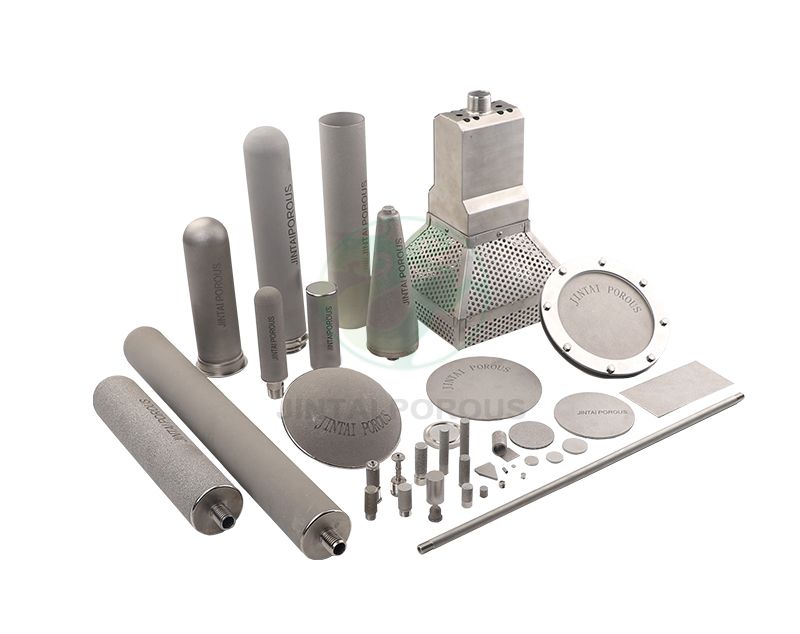
JINTAI can support custom development by adjusting metal grade, pore range, thickness, connection style, surface finish, and cleaning requirements. The final design should be approved through documented technical review and process testing.
A clear specification prevents delays and reduces the risk of selecting a filter that cannot be validated. Include the following information:
| Specification item | Information to provide |
|---|---|
| Process fluid | Water, solvent, buffer, product, gas, or powder |
| Flow rate | Normal, minimum, and maximum flow |
| Temperature | Normal and peak temperature |
| Pressure | Inlet pressure, outlet pressure, and maximum differential pressure |
| Filtration target | Particle size, microbial target, or gas cleanliness level |
| Material | 316L stainless steel, titanium, nickel alloy, or approved alternative |
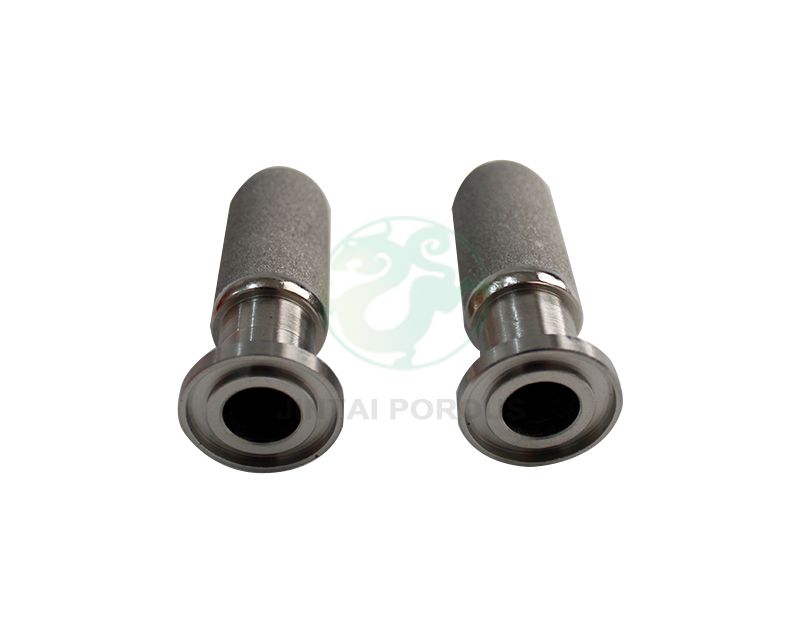
| Connection | Tri-clamp, threaded, flanged, welded, or custom connection |
| Cleaning method | CIP, SIP, backwash, chemical cleaning, or replacement |
| Validation needs | Integrity test, bacterial retention, extractables, particle testing, and documentation |
Porous metal membrane filtration for pharmaceutical processing offers a durable option for applications that need controlled filtration, heat resistance, mechanical strength, and repeated cleaning. The sintered porous asymmetric filter element combines a fine filtration layer with a larger-pore support structure. This design can help control pressure loss while maintaining particle retention.
Successful use depends on more than pore size. Engineers must review material compatibility, surface finish, flow rate, differential pressure, cleaning cycles, sterilization conditions, and validation requirements. Testing should include the applicable integrity, bacterial retention, particle, and permeability methods. With a documented design and a controlled quality system, JINTAI metal filter elements can support reliable pharmaceutical, biopharmaceutical, gas, solvent, and powder filtration processes.