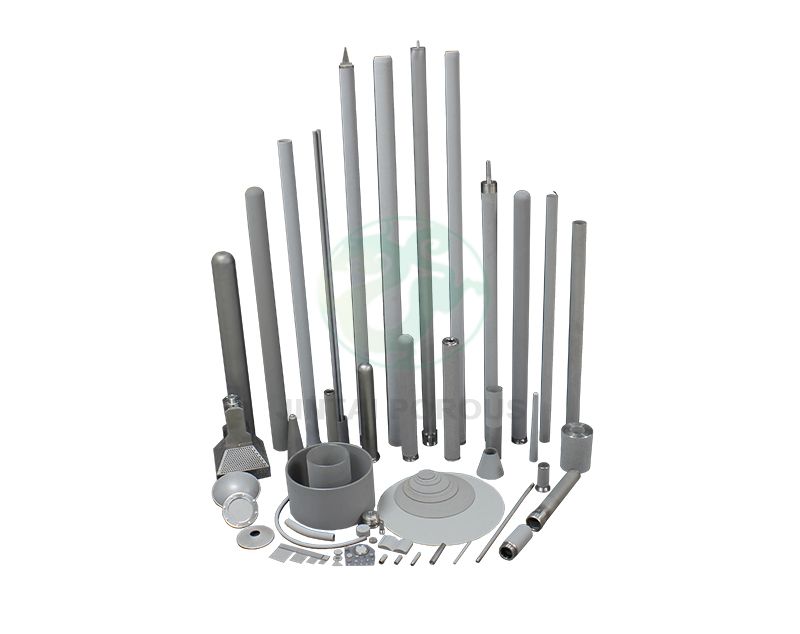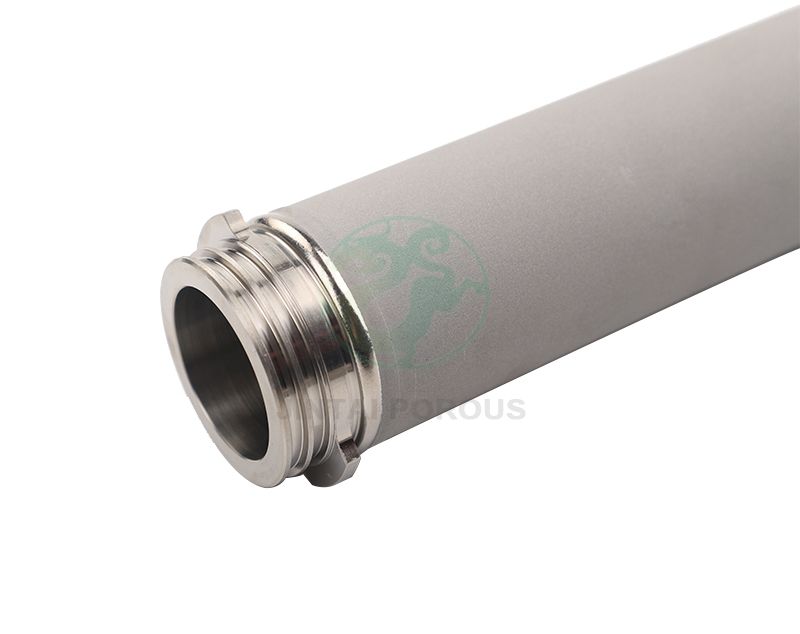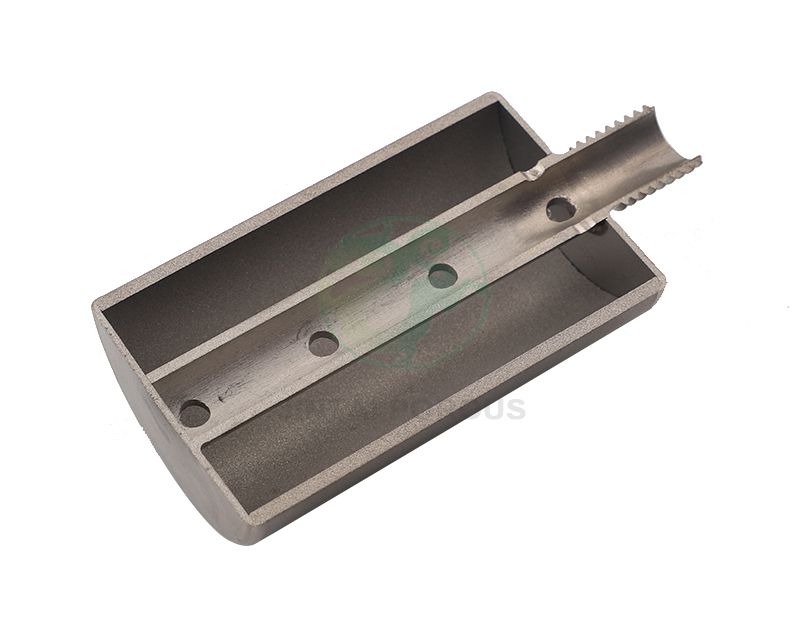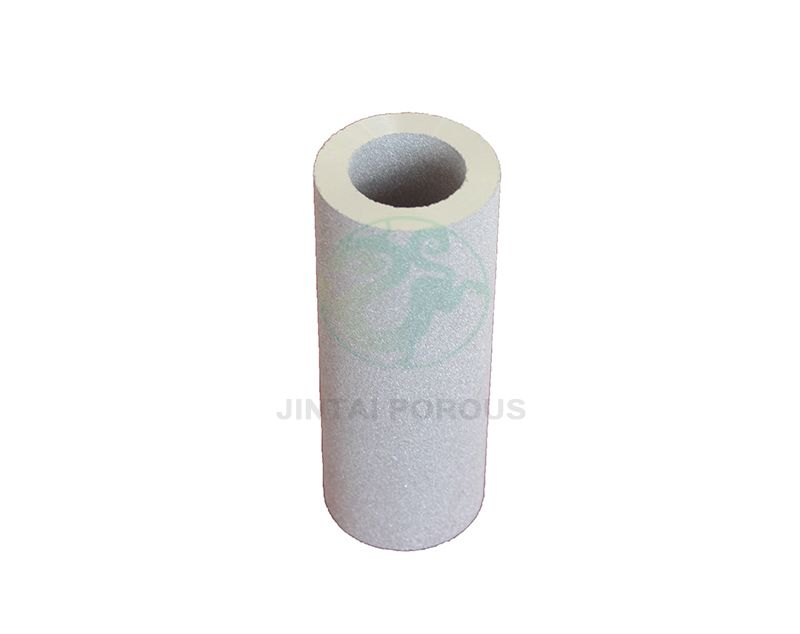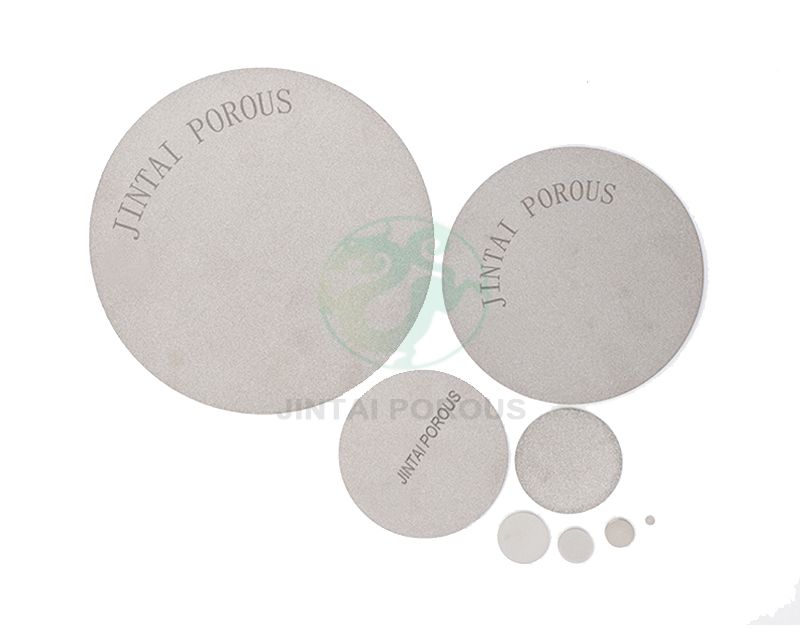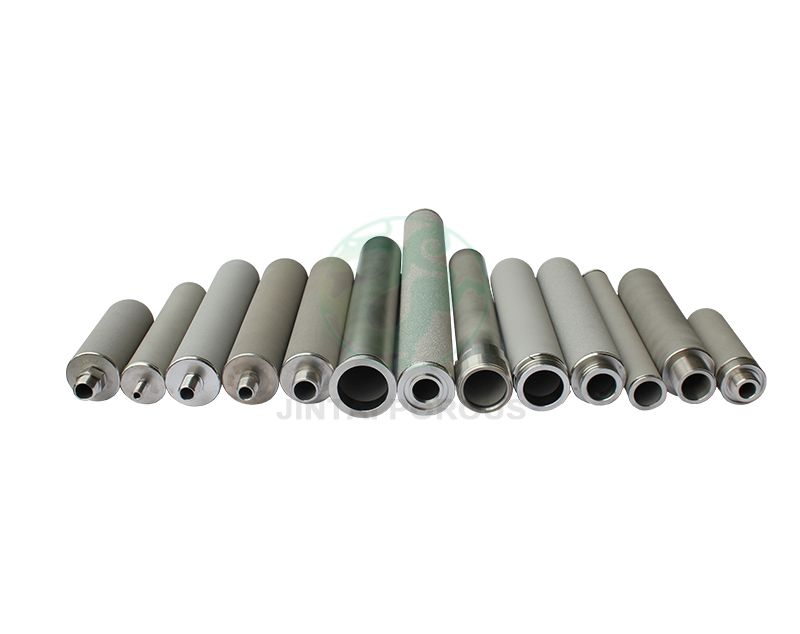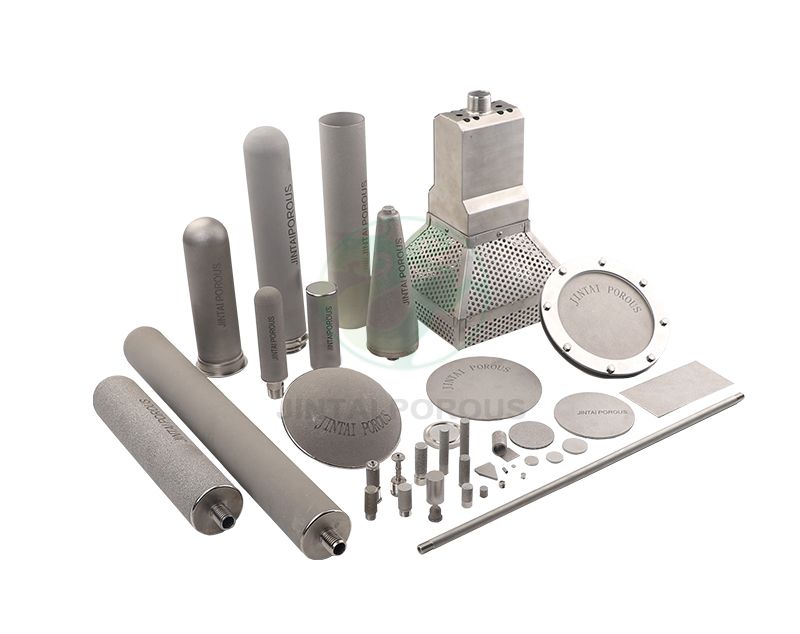

Porous metal plates help industrial systems filter particles, spread gas, and control fluid flow in harsh conditions. The main technologies include sintered porous metal, porous stainless steel, and gas diffusion plates. For many applications, a properly designed plate can provide particle retention from about 1 to 100 micrometers, steady gas distribution, and service temperatures above 300 degrees Celsius, depending on the material and design.


A porous metal plate is a solid metal component with a network of connected pores. Manufacturers form the plate from metal powder, fibers, or a combination of metal layers. The finished part allows gas or liquid to pass through while holding back particles, droplets, or contaminants.
Unlike a woven mesh, a sintered metal plate has pores throughout its structure. This gives it stronger depth filtration and better resistance to vibration. It can also work as a gas diffuser, flow equalizer, pressure balance plate, or flame arrestor.
1. What Are Porous Metal Plates?
Metal powder is selected according to the working temperature, fluid, pressure, and corrosion risk. The powder is then pressed or filled into a mold. Controlled heating bonds the particles without fully melting them. The result is a rigid plate with connected pores.
The most common materials are stainless steel 316L, stainless steel 304, bronze, nickel alloys, and titanium. Stainless steel is often selected for chemical equipment, food processing, water treatment, and gas systems because it combines corrosion resistance with mechanical strength.
How sintered porous metal is made
2. The Main Industrial Problems These Plates Solve
Dust, metal powder, catalyst particles, and process debris can damage valves, pumps, sensors, and downstream products. A porous metal filter plate captures these particles before they enter sensitive equipment.
Particle contamination
Gas entering a chamber from one pipe can create high-speed zones and dead areas. A gas distribution plate spreads the flow across a larger surface. This improves contact with catalysts, electrodes, membranes, powders, or drying materials.
Uneven gas flow
Paper and polymer filters may shrink, soften, or break under heat. Sintered metal plates maintain their shape in demanding systems. Their working limit depends on the alloy, thickness, pressure difference, pore size, and support design.
High temperature and pressure
Many industrial users need a filter that can be cleaned instead of replaced. Porous metal plates may support backwashing, compressed-air pulse cleaning, ultrasonic cleaning, or liquid flushing. Correct cleaning conditions are important because excessive pressure can damage the porous structure.
Repeated cleaning and long service life
Filtration and gas distribution use similar porous structures, but their design targets are different. A filter plate focuses on particle retention and pressure drop. A gas distribution plate focuses on even flow, low variation, and controlled release.
| Feature | Porous Metal Filter Plate | Gas Distribution Plate |
|---|---|---|
| Primary purpose | Remove particles or droplets | Spread and equalize gas flow |
| Main design target | Particle retention and dirt capacity | Flow uniformity and pressure balance |
| Typical pore range | About 1 to 100 micrometers | About 10 to 150 micrometers |
| Common shape | Flat plate, disc, tube, or cartridge | Flat plate, diffuser, ring, or panel |
| Cleaning priority | High | Medium to high |
| Typical industries | Water, chemicals, gases, food, and powder processing | Reactors, fuel cells, fluidized beds, and gas cabinets |
A single component can perform both functions. For example, a porous stainless steel plate can filter a gas before it enters a reactor and then distribute that gas across the reaction area.
3. Porous Metal Filtration and Gas Distribution Compared
4. How to Select the Correct Porous Metal Plate
State whether the medium is air, nitrogen, hydrogen, oxygen, water, oil, solvent, steam, or a chemical gas. List the contaminant type, particle size, concentration, and whether the contaminant is dry, sticky, abrasive, or corrosive.
Step 1: Define the fluid and contaminants
For filtration, define the required particle retention rating. For gas distribution, define the target flow rate and acceptable flow variation. A plate with smaller pores normally provides finer filtration, but it may also create a higher pressure drop.
Step 2: Set the filtration or distribution target
Stainless steel 316L is a common choice for wet and corrosive environments. Stainless steel 304 suits many general industrial systems. Bronze is useful for some air, gas, and pneumatic applications. Nickel alloys and titanium may be considered for special chemical or high-temperature conditions.
Step 3: Select the metal material
Provide normal pressure, maximum pressure, pressure difference, operating temperature, and any temperature cycling. The plate thickness and support method must match the pressure load. A thin plate may need a frame or backing screen.
Step 4: Confirm pressure and temperature
Give the outside diameter, length, width, thickness, hole pattern, sealing area, and connection type. JINTAI can review drawings or samples for custom porous metal components.
Step 5: Check the installation area
Fluid and contaminant data
Then define filtration rating or gas flow target
Then choose metal material and pore structure
Then confirm pressure, temperature, and cleaning method
Then check dimensions, sealing, and support
Then test pressure drop, flow uniformity, and filtration performance
Selection flow chart
5. Key Technical Specifications to Request
Overseas buyers and distributors should request complete technical data before placing a production order. Pore size alone does not describe the performance of a porous metal plate. The material, thickness, open area, shape, surface finish, and test method also affect the result.
| Specification | Why It Matters | Useful Buyer Question |
|---|---|---|
| Material grade | Controls corrosion resistance and strength | Is 316L, 304, bronze, or another alloy suitable? |
| Nominal pore size | Influences particle retention and flow | What test method defines the pore rating? |
| Thickness | Influences strength and pressure drop | Does the plate need a support layer? |
| Permeability | Shows how easily gas or liquid passes | Is the value tested with air or another medium? |
| Bubble point | Helps verify the largest connected pore | What is the tested bubble point? |
| Surface finish | Influences cleaning and product contact | Is the surface suitable for sanitary use? |
| Connection design | Controls sealing and installation | Can the plate be welded, brazed, pressed, or clamped? |
6. Advantages and Limits of Sintered Porous Metal
Advantages
Durable structure: The bonded metal network resists tearing and crushing better than many disposable filter media.
Reusable design: Many products can be cleaned and returned to service, which may reduce replacement waste.
Stable high-temperature performance: Metal materials can serve in heat levels that are unsuitable for common polymer media.
Custom geometry: Plates can be produced as discs, rings, panels, cones, cylinders, or parts with welded frames.
Controlled gas release: A porous metal diffuser can reduce large bubbles and provide a more even gas pattern.
Limits to consider
Porous metal is not automatically the best choice for every application. Fine pores can increase pressure drop. Sticky contaminants may be difficult to remove. Strong acids, chlorides, or high-temperature gases may require a special alloy. The filter must also be installed with the correct flow direction and sealing method.
For this reason, product selection should balance four values: filtration accuracy, flow rate, pressure drop, and service life. Selecting the smallest pore size without checking flow can lead to poor system performance.
7. Common Industrial Applications
Gas filtration and gas cabinets
Porous stainless steel filters can protect gas lines, regulators, mass flow controllers, and analytical instruments. They help remove particles from nitrogen, compressed air, hydrogen, and other process gases. The material and cleaning process must be compatible with the gas.
Fluidized bed and powder processing
Gas distribution plates introduce air or inert gas below a powder bed. Even gas flow can improve fluidization and reduce channeling. The plate must resist abrasion from the powder and remain flat under the operating pressure.
Fuel cells and electrochemical systems
Porous metal plates can support gas diffusion, reactant distribution, and water management. These systems often require controlled permeability, corrosion resistance, low contact resistance, and a consistent surface structure.
Water and liquid filtration
Porous metal filter plates can be used for prefiltration, process water, hydraulic oil, and chemical liquids. The correct pore rating depends on the required cleanliness level and the size of particles that could damage downstream equipment.
Food, beverage, and pharmaceutical equipment
Where product contact is involved, buyers may require stainless steel, smooth surfaces, cleanable construction, and documented manufacturing controls. The final design should match the customer's hygiene and validation requirements.
Vacuum, venting, and pressure balance
Porous metal vents allow controlled gas movement while blocking dust and liquid droplets. They can protect enclosures, sensors, gearboxes, and storage systems from pressure changes and contamination.
8. Quality Control for Porous Metal Plates
A reliable supplier should test both the material and the finished component. JINTAI can use production controls that check dimensions, appearance, pore structure, permeability, bubble point, and pressure resistance according to the project requirement.
Incoming powder or material inspection
Then mold filling and forming control
Then sintering temperature and atmosphere control
Then machining, welding, or surface treatment
Then dimensional and visual inspection
Then permeability, bubble point, or flow distribution testing
Then cleaning, packaging, and shipment inspection
For distributors, a clear inspection report reduces communication problems with end users. Ask for material certificates, dimensional records, test results, packaging details, and a sample approval process. These documents are especially useful when the component is installed in a new machine.
9. How to Reduce Pressure Drop and Extend Service Life
Use the largest practical filter area for the required flow. A larger area lowers the average face velocity and can reduce pressure drop. Avoid selecting a very fine pore rating when the process only needs coarse particle control.
Install a prefilter when the fluid contains a high level of large particles. This protects the porous metal plate from rapid blockage. For gas systems, keep upstream pipes clean and remove welding debris before commissioning.
Choose a cleaning method that matches the contaminant. Backwashing can remove loose particles. Pulse air can clean some dry dust. Solvent or detergent cleaning may help with oils, but chemical compatibility must be checked first.
Monitor pressure drop during operation. A steady increase often means the plate is becoming blocked. Cleaning the plate before the pressure reaches the equipment limit can improve service life and reduce unplanned shutdowns.
10. Why Choose JINTAI for Custom Porous Metal Components?
JINTAI specializes in Sintered Porous Metal Components for industrial filtration and gas distribution. Our engineering process starts with the working conditions rather than a standard catalog size. This helps overseas buyers select a practical combination of material, pore rating, thickness, shape, and connection design.
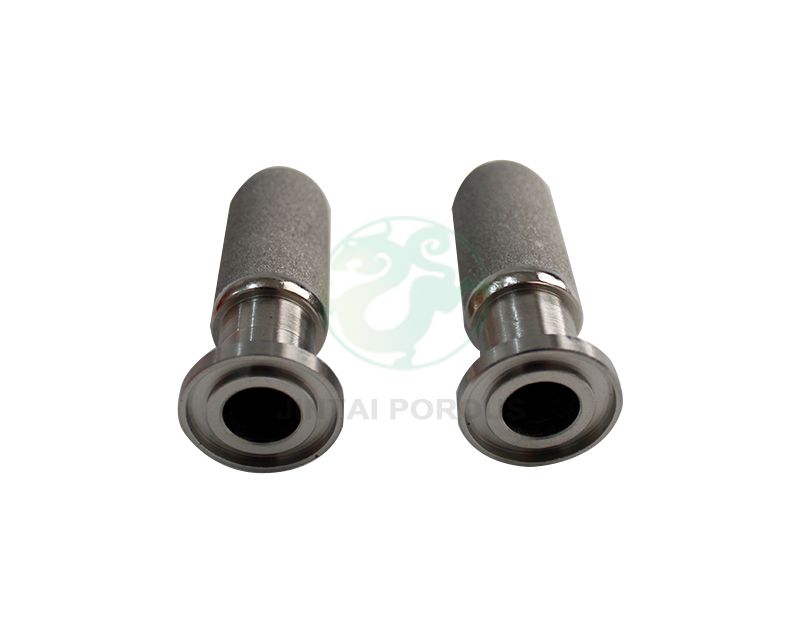
We support custom porous metal plates, porous discs, filter tubes, gas diffusers, vent elements, and multi-layer structures. Production options may include machining, welding, edge frames, threaded fittings, flanges, and other installation features.
To request a quotation, prepare the following information:
- Application and fluid type
- Required particle retention or gas flow rate
- Operating pressure and temperature
- Material preference or corrosion conditions
- Plate dimensions and connection details
- Estimated annual quantity
- Cleaning method and expected service life
If some data is not available, provide the equipment drawing, a sample, or the current filter specification. JINTAI can use this information to review the design and suggest a suitable porous metal plate for testing.
Frequently Asked Questions About Porous Metal Plates
Are porous metal plates better than wire mesh?
They serve different needs. Wire mesh is useful for surface filtration and open flow. Sintered porous metal provides depth filtration, stronger structure, and more options for controlled gas diffusion. The better choice depends on particle size, pressure, temperature, and cleaning requirements.
Can porous metal plates be reused?
Many can be reused after suitable cleaning. The actual cleaning life depends on the contaminant, pore rating, pressure, temperature, and handling method. Test cleaning on a sample before full production.
What is the best pore size for gas distribution?
There is no single best value. The correct pore size depends on gas flow, pressure drop, plate area, chamber design, and the required flow uniformity. A distribution test is often more useful than pore size alone.
Can JINTAI make a custom size?
Yes. Custom plates can be designed around diameter, length, width, thickness, holes, frames, welds, and other connection features. A drawing or sample helps confirm the production method.
What information is needed for a quote?
Send the material, pore rating, dimensions, working medium, pressure, temperature, flow rate, quantity, and installation method. If the application is for filtration, include the target particle size and contamination level.