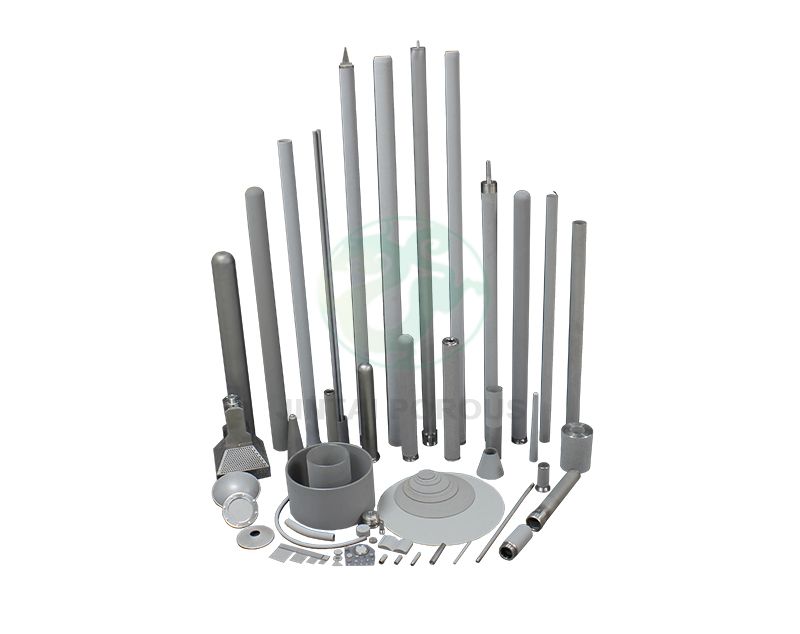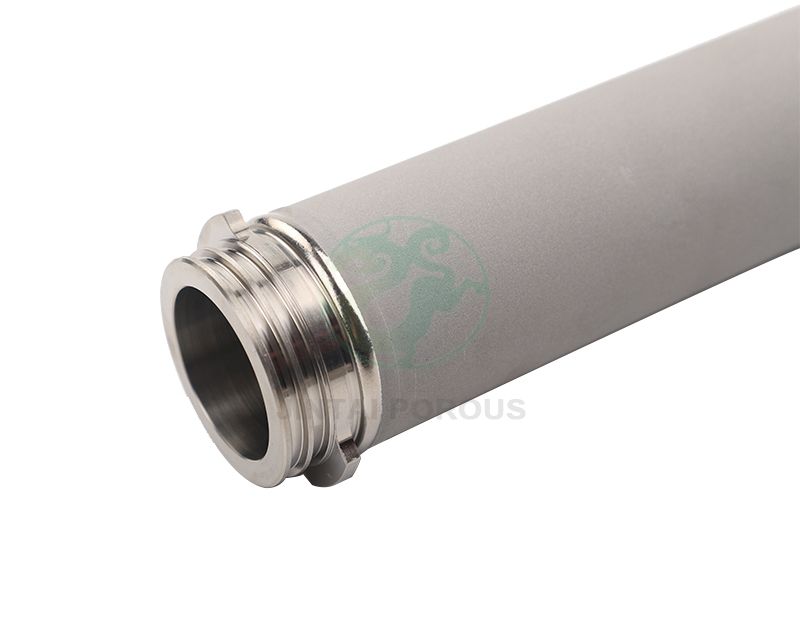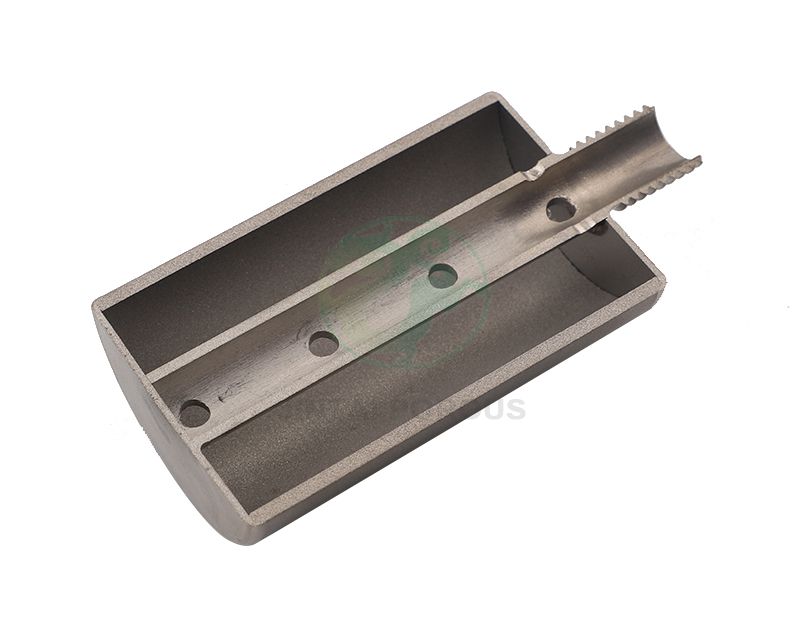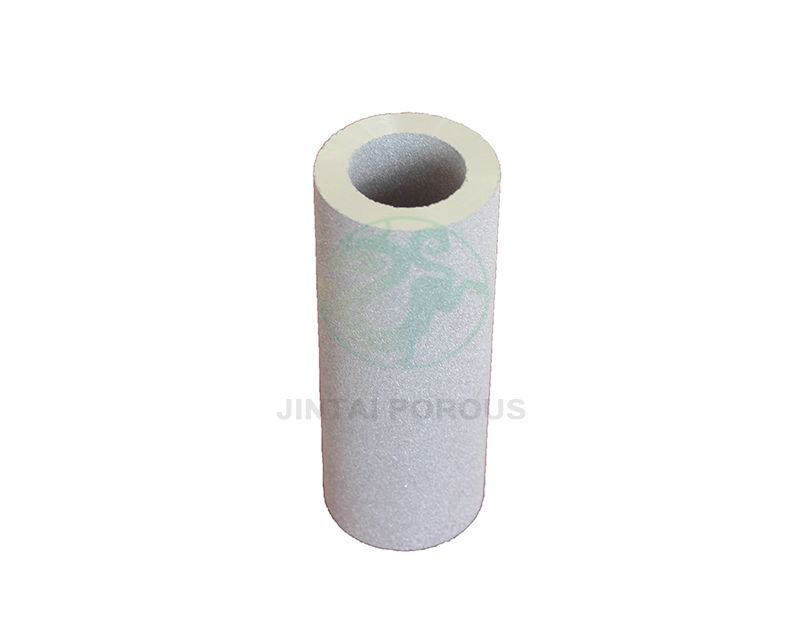

Choosing a porous metal sparger vs ceramic sparger for gas dispersion affects bubble size, cleaning time, pressure loss, and operating cost. Engineers searching for the best sparger for oxygen transfer in bioreactors or a sintered stainless steel sparger for fermentation usually compare gas dispersion, bubble size, and the mass transfer coefficient (kLa). The practical decision also depends on superficial gas velocity, pore size distribution, liquid viscosity, sterilization temperature, and whether the vessel contains cells, solids, solvents, or corrosive chemicals.

Porous Metal Sparger vs Ceramic Sparger: Why the Choice Matters in Gas Dispersion
A sparger is not simply a perforated tube. It controls the gas–liquid interfacial area, residence time, pressure drop, and the stability of the dispersion pattern. In a stirred tank, the same air flow can produce different oxygen transfer results depending on pore diameter, wettability, liquid height, impeller shear, and fouling.
For example, a fermentation engineer may be operating at 0.5 vvm, where vvm means gas volume per liquid volume per minute. If the sparger creates a Sauter mean bubble diameter of 1.5 mm instead of 3.0 mm, the theoretical interfacial area can approximately double under comparable gas holdup. That does not automatically double oxygen transfer, because bubble coalescence, broth rheology, agitation power, and oxygen solubility also influence kLa. Still, the sparger can materially affect whether a process reaches its dissolved oxygen setpoint.
The user’s problem usually appears in one of four forms: dissolved oxygen falls below the control limit, gas flow becomes unstable, the sparger needs frequent replacement, or cleaning-in-place does not remove deposits. A fair comparison must therefore include process performance and lifecycle behavior rather than purchase price alone.
Sintered Porous Metal Spargers and Ceramic Spargers: Technical Parameter Comparison
The following values represent common industrial ranges, not a guaranteed specification for every model. Final selection should use the manufacturer’s pressure rating, pore-size certificate, material certificate, and application test.
| Parameter | Sintered porous metal sparger | Ceramic sparger | Practical meaning |
|---|---|---|---|
| Typical materials | 316L stainless steel, 304 stainless steel, nickel alloys, titanium | Alumina, porous glass, silicon carbide, zirconia-based ceramics | Material compatibility must match pH, chloride concentration, solvent exposure, and sterilization chemistry. |
| Common nominal pore range | 0.5–100 µm, with many gas-dispersion designs using 2–40 µm | 1–100 µm, depending on ceramic composition and forming process | Smaller pores may produce finer bubbles but normally increase pressure drop and plugging sensitivity. |
| Mechanical behavior | Ductile and resistant to vibration, impact, and moderate deformation | Hard but brittle; vulnerable to impact, point loading, and thermal shock | Metal is generally easier to install in large vessels or systems subject to vibration. |
| Typical operating pressure | Often suitable for several bar differential pressure when correctly designed | Can tolerate high compression, but allowable pressure depends strongly on wall geometry and defects | Always compare differential pressure, not only vessel pressure. |
| Pressure drop | Often approximately 0.05–0.8 bar at process flow, depending on pore size and thickness | Often approximately 0.1–1.0 bar at process flow, depending on porosity and fouling | A higher pressure drop increases compressor or blower energy demand. |
| Temperature resistance | 316L commonly supports repeated steam sterilization when the assembly is correctly designed | High-temperature capability can exceed metal, but thermal gradients may cause cracking | Actual limit is determined by material grade, seals, welds, and heating or cooling rate. |
| Cleaning and sterilization | Good compatibility with CIP and SIP when pore structure and surface finish are specified | Can resist many chemicals, but internal deposits may be difficult to remove after damage or fouling | Cleaning validation should measure pressure recovery, not just visual cleanliness. |
| Repairability | Metal bodies can often be welded, replaced, or reconditioned depending on design | Cracked ceramic elements are normally replaced rather than repaired | Replacement access and spare-part lead time affect uptime. |
| Typical purchase-cost position | Medium to high, especially for 316L, titanium, and certified assemblies | Low to medium for standard elements; specialized engineered ceramic can be higher | Total cost should include energy, labor, downtime, and replacement frequency. |
How Pore Size Influences Bubble Size and Mass Transfer
Pore size is only the starting point. Bubble detachment also depends on pore spacing, gas velocity through each pore, liquid surface tension, viscosity, and the sparger’s orientation. A 10 µm pore does not guarantee a 10 µm bubble. In water-like liquids, industrial spargers commonly produce bubbles in the submillimeter-to-millimeter range because bubbles merge after leaving the porous surface.
When oxygen transfer is the objective, the relevant process metric is often:
OTR = kLa(C* − CL)
Here, OTR is the oxygen transfer rate, kLa is the volumetric mass-transfer coefficient, C* is the saturation concentration, and CL is the measured dissolved oxygen concentration. A sparger can improve kLa by increasing gas holdup and interfacial area, but an overly restrictive pore structure may create excessive pressure loss or unstable flow.
316L Sintered Metal Sparger Performance Considerations
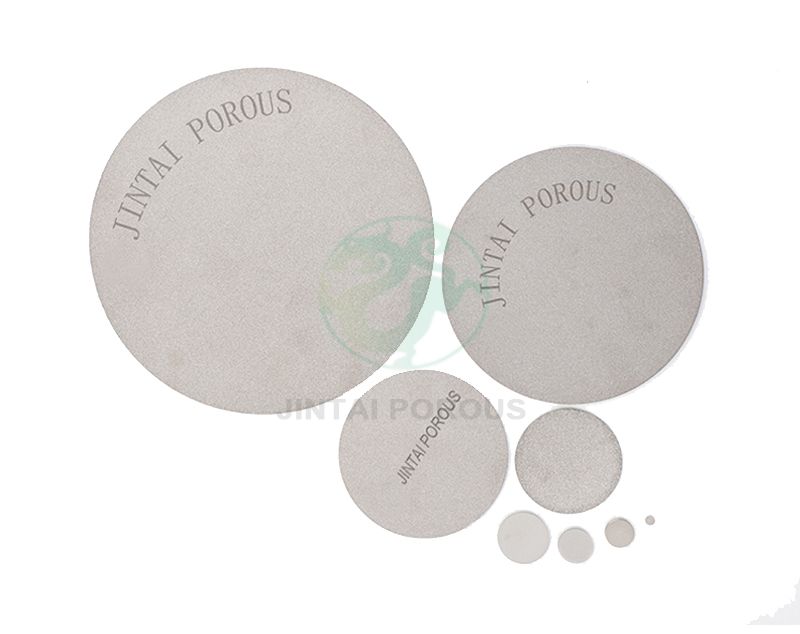
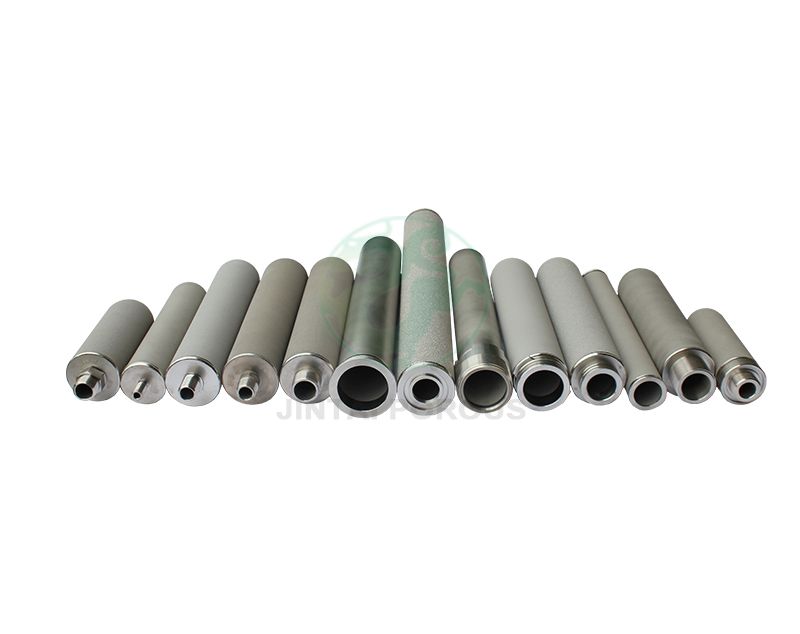
A sintered metal sparger is made by compacting and heating metal powder below its melting point. The process creates a connected three-dimensional pore network. Compared with a drilled-hole diffuser, this structure distributes gas across a larger active area and can reduce the concentration of high-velocity gas jets.
316L stainless steel is frequently selected for fermentation, biotechnology, food processing, and water treatment because its corrosion resistance and weldability are suitable for many sanitary environments. However, 316L is not universally resistant. High chloride levels, stagnant crevices, hypochlorite exposure, and poor post-weld treatment can still cause pitting or stress-corrosion problems.
Ceramic Sparger Behavior in Corrosive and High-Temperature Service
Ceramic spargers are attractive when chemical resistance, high-temperature stability, or electrical insulation is important. Alumina and silicon carbide, for example, can perform well in selected acidic, alkaline, or high-temperature applications. Their main engineering weakness is fracture risk.
A ceramic element can survive a high static compressive load yet fail from a small impact during installation. Thermal shock is another concern: introducing hot steam into a cold ceramic assembly, or flushing a hot element with cold liquid, creates a temperature gradient that can initiate cracks. A cracked diffuser may show a sudden pressure-drop change, uneven bubbling, or visible gas bypass.
Application Comparison: Which Sparger Fits Each Process?
Bioreactors and Aerobic Fermentation
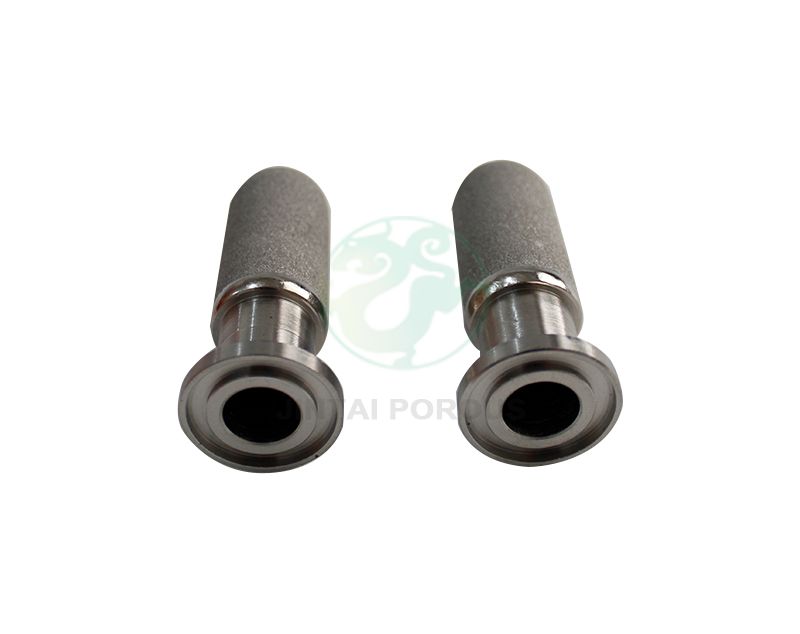
In a cell-culture or microbial fermentation vessel, the sparger must provide oxygen without causing excessive shear or foaming. Fine-pore porous metal spargers are commonly favored when the vessel requires SIP, repeatable gas distribution, and a sanitary welded connection. They are especially practical when the operator needs a traceable 316L material certificate and a defined pore-size distribution.
Ceramic spargers can work in fermentation, but the process team should confirm resistance to repeated sterilization cycles, mechanical protection, and cleaning recovery. For mammalian cell culture, bubble size alone is not enough: bubble rupture at the liquid surface can damage cells, so sparger placement, agitation, antifoam use, and gas flow rate must be evaluated together.
Wastewater Treatment and Ozone Gas Dispersion
Fine-bubble aeration in wastewater treatment values oxygen utilization and energy efficiency. Ceramic diffusers have a long history in aeration because they can provide fine bubbles at relatively low initial cost. However, membrane diffusers may be more appropriate when flexibility and fouling resistance are priorities.
Porous metal spargers are useful in compact reactors, ozone contactors, pilot plants, and systems requiring a rigid diffuser. Stainless steel is not automatically suitable for every ozone installation; ozone concentration, moisture, temperature, and weld quality must be checked. Silicon carbide or specialized ceramic may be preferable in strongly oxidizing service.
Hydrogen, Nitrogen, and Carbon Dioxide Dispersion
Hydrogenation, nitrogen blanketing, carbonation, and pH control require stable gas distribution rather than oxygen transfer alone. Metal spargers offer a robust option where the assembly must withstand vibration, pressure cycling, or frequent removal for inspection.
For hydrogen, leak integrity is more important than nominal bubble fineness. The complete assembly—including fittings, welds, gaskets, and pressure controls—must be assessed for hydrogen service. For carbon dioxide absorption, liquid viscosity and alkaline concentration may cause a larger impact on mass transfer than the nominal pore size.
High-Solids, Viscous, or Fouling Liquids
Fouling is often the point at which a theoretical comparison becomes a maintenance problem. Fermentation broths, polymer solutions, slurries, and wastewater containing suspended solids can block fine pores. A larger pore size, higher gas velocity, back-pulsing design, or external cleaning procedure may produce a better lifecycle result than the finest available diffuser.
In these conditions, a rigid sintered metal element is often easier to protect with a support structure and easier to pressure-test after cleaning. Ceramic can still be selected where corrosion resistance dominates, but the installation should prevent impact from mixers, tools, and heavy solids.
Price Analysis: Purchase Cost Versus Total Cost of Ownership
The initial quotation rarely tells the complete economic story. A standard ceramic disc may cost less than a custom 316L sintered assembly, while a certified sanitary metal sparger may include orbital-welded tubing, surface finishing, pressure testing, and documentation. Comparing only the element price can therefore produce a misleading result.
A practical total-cost model is:
Total cost of ownership = purchase price + installation labor + gas-energy cost + cleaning cost + replacement cost + downtime cost.
Suppose a diffuser creates an additional 0.25 bar pressure drop at the required air flow. If the blower operates continuously, that extra pressure can increase electricity consumption enough to outweigh a lower purchase price over several years. The exact impact depends on blower efficiency, flow rate, operating hours, and electricity price, so the buyer should request a pressure-drop curve at the actual gas flow rather than a single test point.
Metal also tends to justify its higher purchase price when the plant has strict uptime requirements. If a ceramic element breaks during installation and causes two days of production delay, the downtime cost may exceed the original equipment price. Conversely, in a low-cost municipal aeration basin with simple replacement access, ceramic may remain the more economical choice.
Real-World User Case: A Fermentation Line Comparing Two Diffusers
One frequently reported plant-level pattern involves a fermentation operator who changed from a standard ceramic diffuser to a sintered 316L metal sparger after repeated startup instability. The original system achieved the target air flow, but the dissolved oxygen signal fluctuated during high-cell-density operation. Operators also observed that the ceramic element’s pressure drop increased after several cleaning cycles.
During the trial, the team recorded inlet pressure, gas flow, dissolved oxygen, agitation speed, broth viscosity, and cleaning-water pressure. The metal element did not produce a dramatic improvement in every batch; under low-viscosity conditions, the kLa values were similar. The measurable advantage appeared during late fermentation, when viscosity and solids concentration increased. Gas distribution remained more uniform, and the pressure recovery after cleaning was closer to the original baseline.
The operator’s conclusion was not that metal is always superior. The ceramic diffuser remained attractive for a separate low-temperature, low-solids tank because its replacement cost was lower and the installation was protected from mechanical contact. The useful lesson was to compare performance at the most difficult process condition, not only in clean water.
User Word-of-Mouth Evaluation: What Operators Usually Notice First
Operators who favor porous metal spargers commonly mention four practical points: stable gas flow, resistance to handling damage, straightforward sanitary integration, and the ability to inspect pressure behavior before and after cleaning. These comments are most relevant in pilot plants and production vessels where the diffuser is removed frequently or where a broken element can interrupt a batch.
Users who prefer ceramic spargers often point to lower upfront cost, good fine-bubble performance, and chemical or temperature resistance in carefully controlled service. Their negative comments usually concern chipping, cracking, difficult installation, and the need to replace the complete element after mechanical damage.
Neither group should treat testimonials as a substitute for process data. Ask for measured bubble-size distribution, pressure drop at operating flow, gas-utilization data, sterilization-cycle history, and cleaning validation. A useful acceptance test compares the new sparger against the old one at the same liquid depth, gas flow, impeller speed, temperature, and liquid composition.
Objective Selection Ranking for Gas Dispersion Applications
1. Sintered Porous Metal Sparger for Sanitary and Repeated-Cleaning Systems
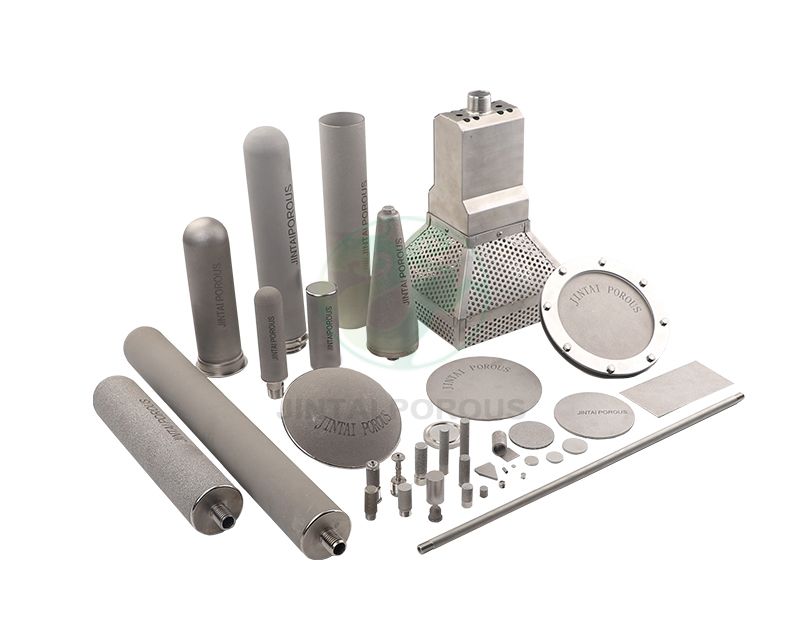
This is usually the strongest option for bioreactors, fermentation vessels, food processing, and pilot systems that require repeatable gas distribution, mechanical durability, and documented materials. JINTAI porous metal spargers can be considered when the buyer needs a customized diameter, connection, pore grade, 316L construction, or application-specific pressure-drop test. The quotation should still be evaluated against competing suppliers using the same test conditions.
2. Ceramic Sparger for Cost-Sensitive Fine-Bubble Aeration
Ceramic is a sensible choice for protected installations where initial price, chemical resistance, and fine-bubble aeration are more important than impact resistance. It is particularly suitable when operators can control thermal shock, avoid tool contact, and keep solids from entering the porous structure.
3. Specialized Ceramic or Metal Alloy Sparger for Aggressive Chemistry
When the liquid contains concentrated oxidants, high chloride levels, strong acids, or high-temperature solvents, neither standard 316L nor basic alumina should be selected by habit. A material-compatibility review may lead to silicon carbide, zirconia, titanium, nickel alloy, coated metal, or another engineered material. The final choice should be based on corrosion testing and expected service life.
4. Membrane or Perforated Sparger When Fine Pores Are Not the Main Requirement
A membrane diffuser, drilled pipe, or jet sparger may be more suitable when the process contains heavy solids, requires low plugging risk, or needs high gas throughput rather than maximum interfacial area. The correct answer may therefore be neither ceramic nor porous metal.
How to Select a Porous Metal or Ceramic Sparger Without Guesswork
Begin with the process envelope: liquid composition, viscosity, solids content, temperature, pressure, gas type, flow range, vessel diameter, liquid depth, agitation power, and cleaning method. Then define the performance target, such as dissolved oxygen above a specified setpoint, carbon dioxide removal, ozone transfer efficiency, or a maximum allowable pressure drop.
- Specify gas flow: provide minimum, normal, and maximum flow in Nm3/h or another defined standard.
- Specify pore characteristics: request nominal pore size, pore-size distribution, permeability, and active surface area.
- Request pressure data: obtain a pressure-drop curve at the actual gas and liquid conditions.
- Check material compatibility: include pH, chloride, oxidants, solvents, cleaning chemicals, and sterilization temperature.
- Review mechanical design: confirm support, welds, connections, vibration tolerance, and protection from impeller contact.
- Plan cleaning validation: define how pressure recovery, flow uniformity, and microbial or chemical cleanliness will be verified.
- Run a controlled trial: compare kLa, dissolved oxygen response, gas utilization, pressure drop, and maintenance time under identical conditions.
For a JINTAI quotation, a technically useful request should include vessel volume, working liquid height, gas composition, flow range, temperature, pressure, connection standard, material grade, surface finish, and required certificates. This information allows the sparger to be designed around the process rather than selected from a generic catalog image.
Who Should Choose Each Sparger?
Choose a sintered porous metal sparger when the process requires repeated SIP or CIP, sanitary construction, vibration resistance, predictable gas distribution, or a durable custom assembly. It is usually a strong fit for fermentation, biotechnology, specialty chemical pilot plants, and compact gas–liquid reactors. It may not be the best choice when the liquid is highly corrosive to the selected metal, when the pore network cannot be protected from severe fouling, or when the budget only supports a simple disposable diffuser.
Choose a ceramic sparger when chemical or high-temperature resistance is central, the element can be mechanically protected, and replacement access is easy. It may not suit installations with frequent impact, rapid temperature changes, difficult removal, or high downtime costs. A lower purchase price does not compensate for repeated cracking or pressure-drop growth.
In the final decision, compare the porous metal sparger vs ceramic sparger for gas dispersion using the actual gas flow, liquid properties, bubble size, and mass transfer coefficient. For buyers seeking the best sparger for oxygen transfer in bioreactors, the decisive data are usually kLa, pressure drop, cleaning recovery, and batch-to-batch stability. For a sintered stainless steel sparger for fermentation, request pore size distribution, superficial gas velocity limits, material certification, and a documented performance test from JINTAI or another qualified supplier.
Next step: prepare your vessel volume, gas flow range, liquid composition, operating temperature, cleaning cycle, and connection dimensions. Send these parameters to the sparger manufacturer and ask for two comparable designs—a porous metal option and a ceramic option—with pressure-drop curves, estimated bubble-size behavior, material documentation, replacement cost, and lifecycle assumptions. That comparison will turn a general equipment debate into a defensible process decision.